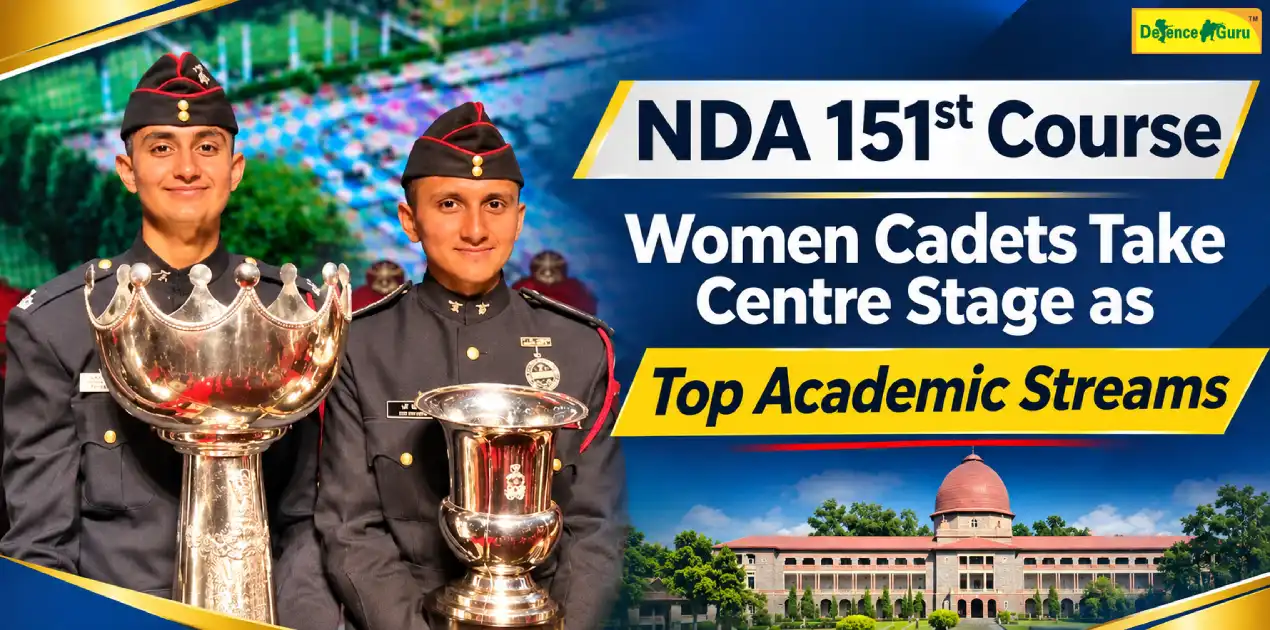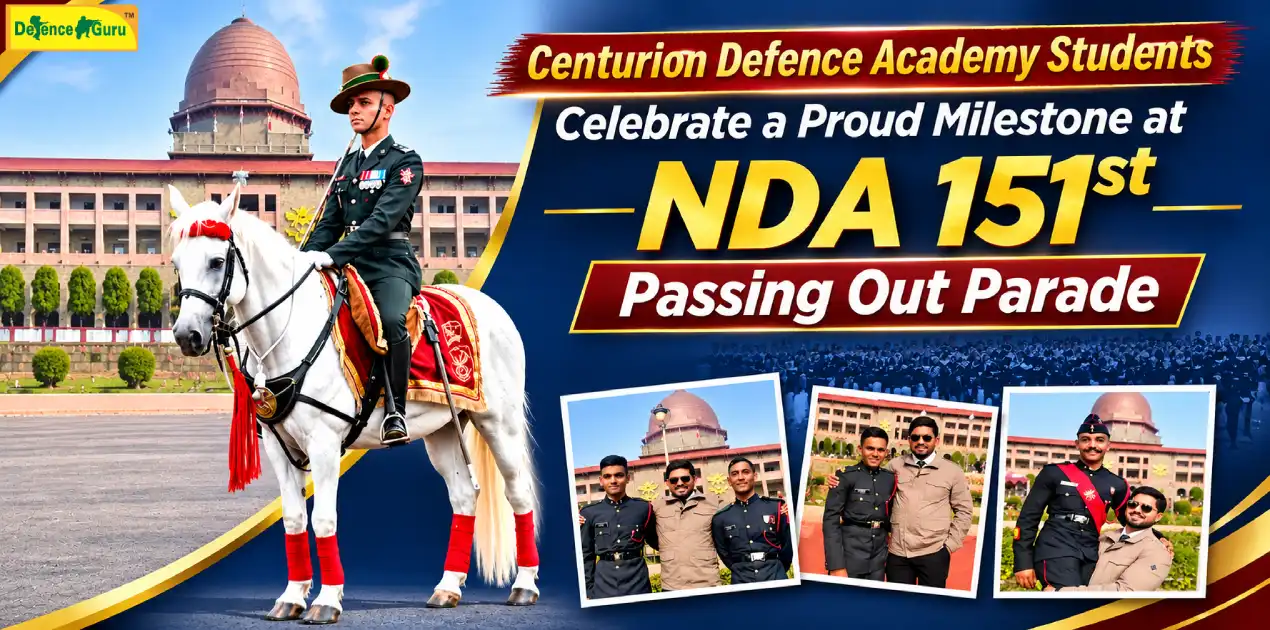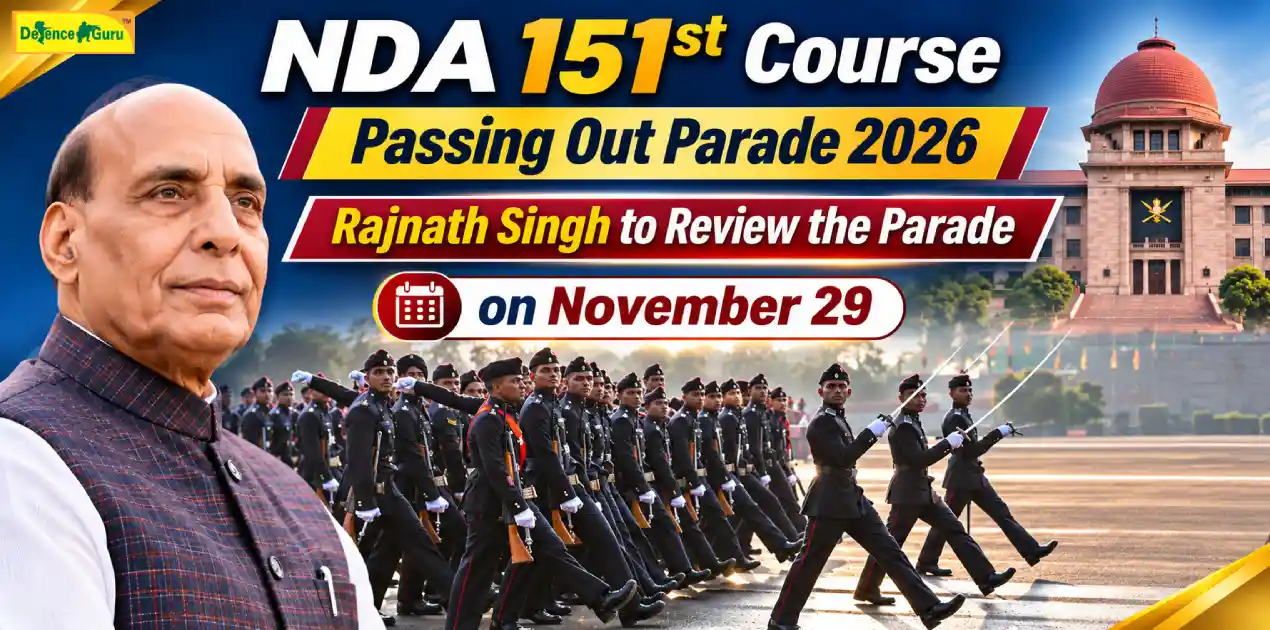
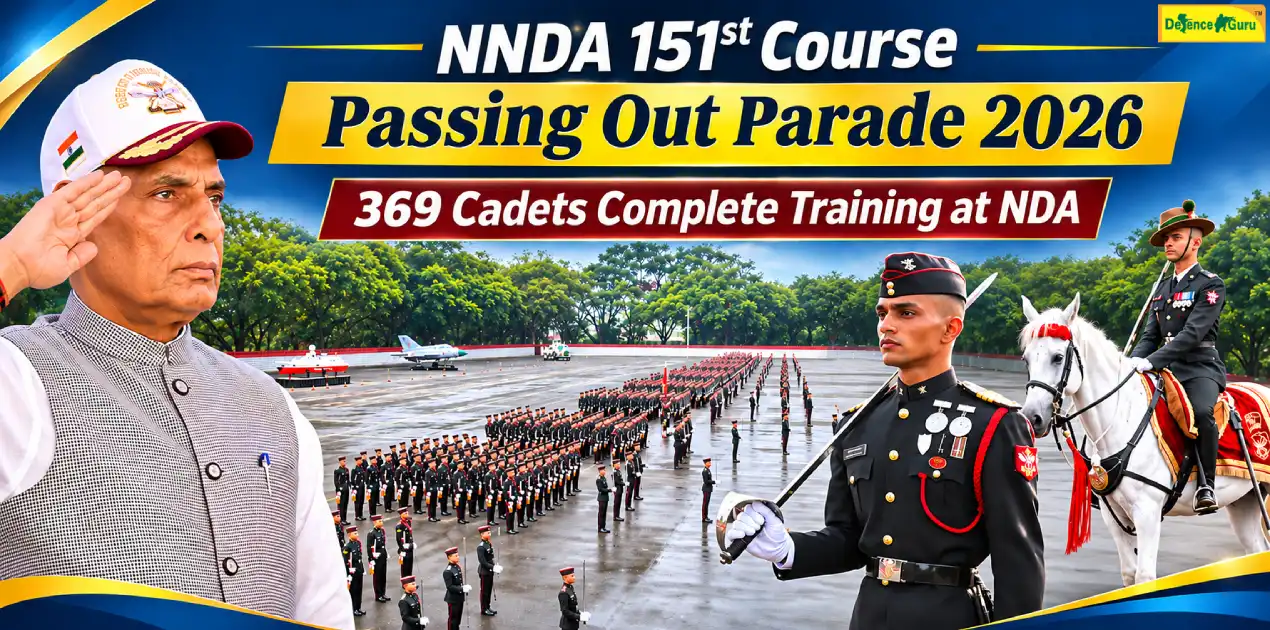
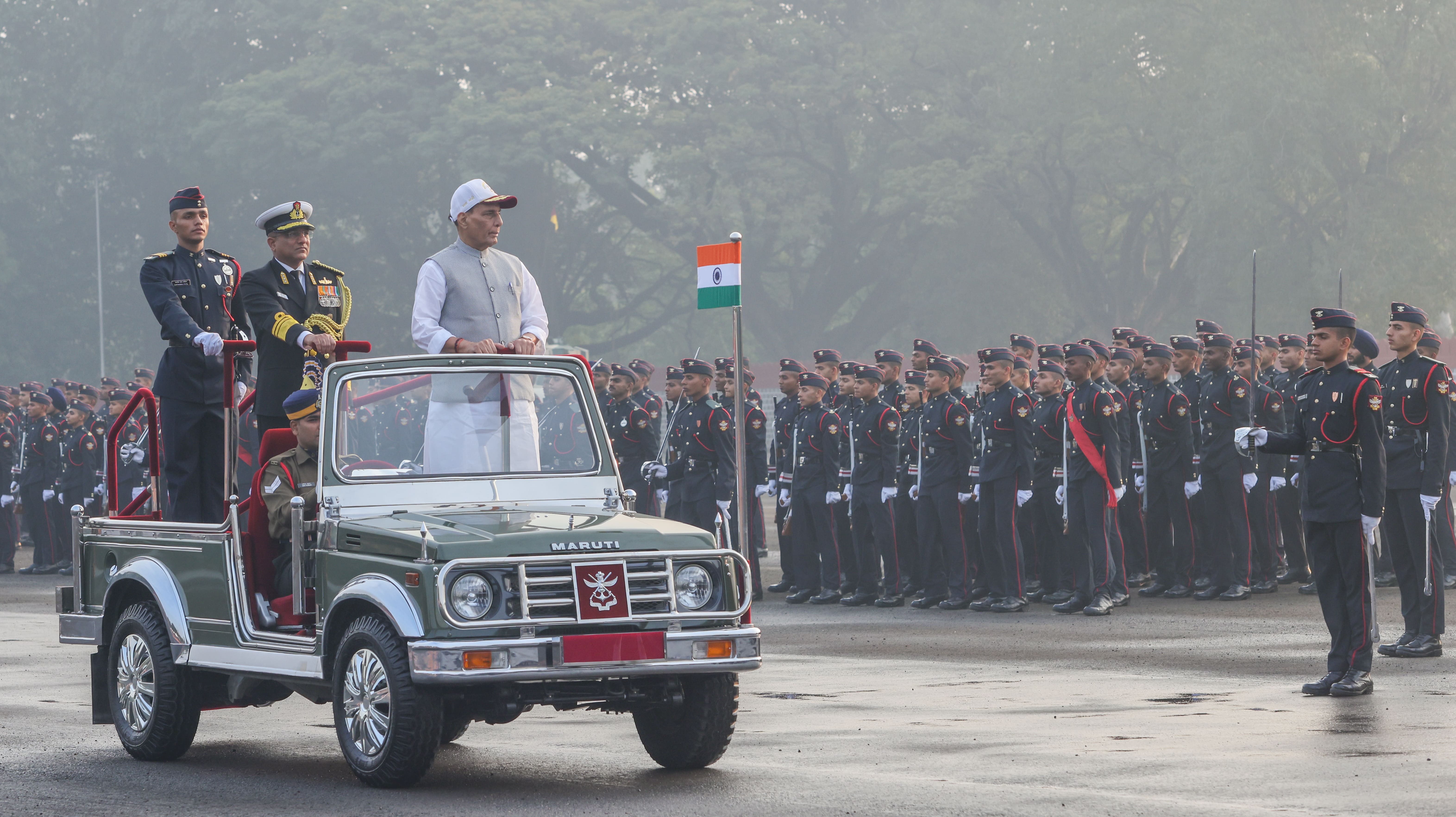
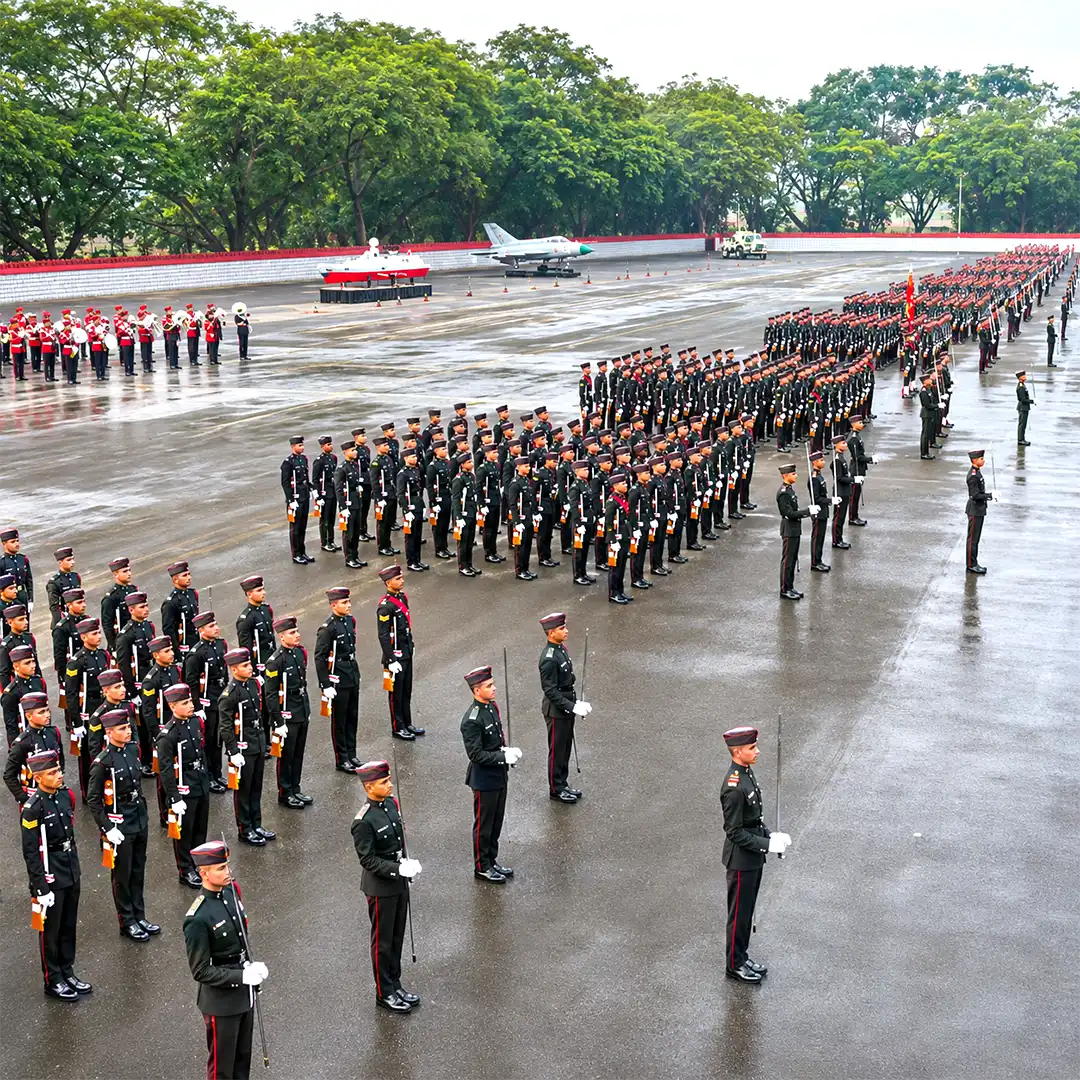
The National Defence Academy (NDA), Khadakwasla, Pune, celebrated the Passing Out Parade of its 151st Course, marking the completion of three years of joint training for cadets of the Indian Army, Navy and Air Force. The ceremony was reviewed by Defence Minister Rajnath Singh and featured 369 passing-out cadets, outstanding medal winners, international participants and impressive military displays. Battalion Cadet Captain Ankit Kumar Singh of Bravo Squadron won the President's Gold Medal, while Charlie Squadron secured the prestigious Chiefs of Staff Banner.
For every cadet, the Passing Out Parade represents something much bigger than a ceremonial march. It is the result of years of preparation, discipline, physical challenges and countless experiences that shape an individual into a future military officer.
The 151st Course parade was a reminder of the values that define the NDA experience: courage, commitment, teamwork and service before self.
NDA 151st Course Passing Out Parade 2026: Key Highlights
The 151st Course Passing Out Parade brought together senior military officials, cadets, their families and distinguished guests. The ceremony showcased the academy's training standards and celebrated the achievements of cadets across different services.
Here are the major highlights of the parade:
|
Particulars |
Details |
|
Institution |
National Defence Academy (NDA) |
|
Course |
151st Course |
|
Location |
Khadakwasla, Pune |
|
Reviewing Officer |
Defence Minister Rajnath Singh |
|
Total cadets on parade |
1,250 |
|
Cadets passing out |
369 |
|
Army cadets |
224 |
|
Naval cadets |
39 |
|
Air Force cadets |
107 |
|
International cadets passing out |
18 from 12 countries |
|
President's Gold Medal |
Battalion Cadet Captain Ankit Kumar Singh |
|
President's Silver Medal |
Academy Cadet Captain Sadhakra Sagar Patel |
|
President's Bronze Medal |
Academy Cadet Adjutant Rishi Balhara |
|
Champion Squadron |
Charlie Squadron |
The parade also featured impressive marching contingents, military band performances, helicopter and aircraft flypasts, and the presentation of medals and awards to outstanding cadets.
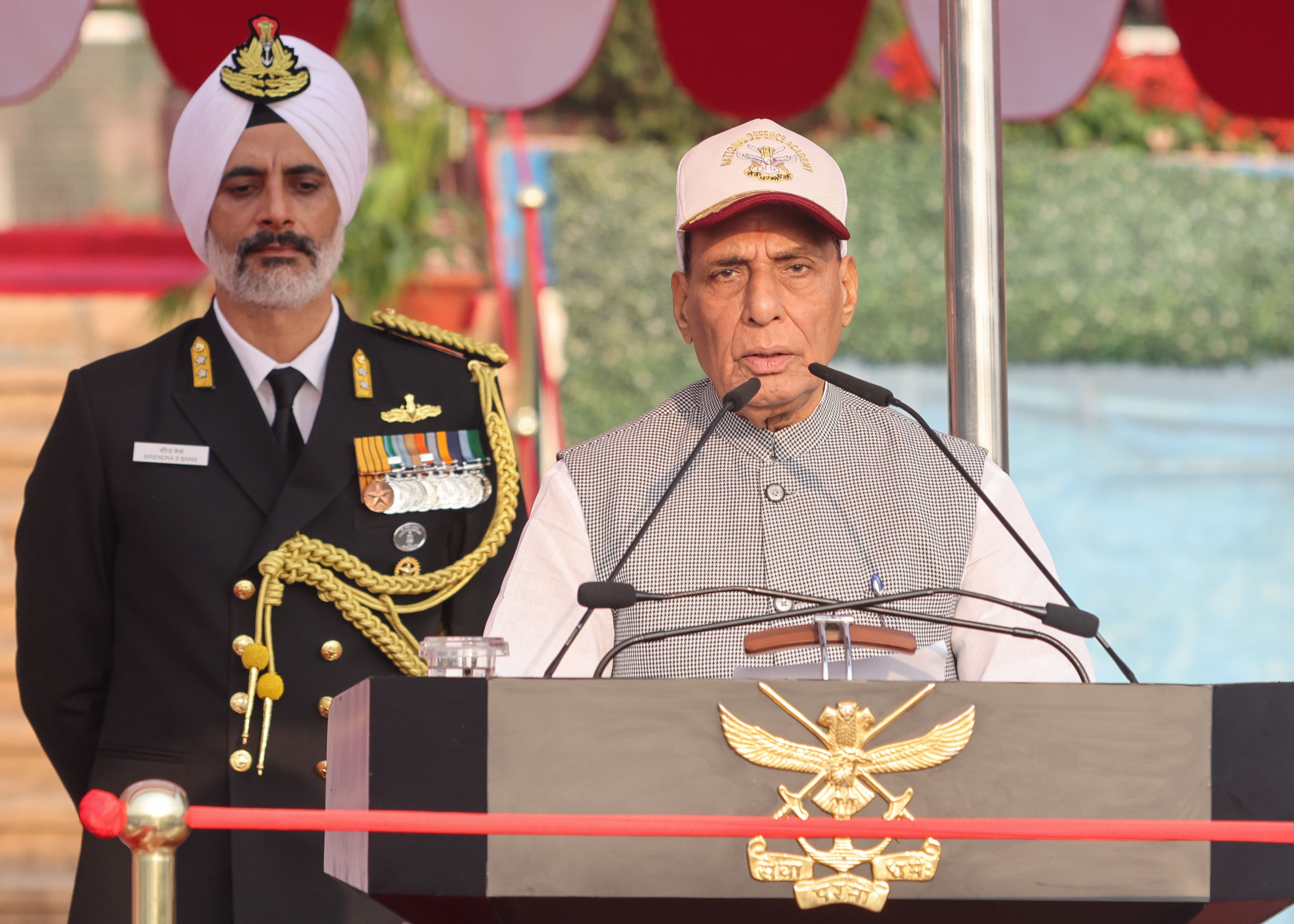
Defence Minister Rajnath Singh Reviews the NDA Passing Out Parade
The 151st Course Passing Out Parade was reviewed by Defence Minister Rajnath Singh, who attended the ceremony as the Reviewing Officer.
His presence made the occasion particularly significant for the cadets and their families. During his address, he highlighted the changing nature of global security challenges and the importance of preparing future military leaders for an increasingly complex world.
Modern warfare is no longer limited to traditional battlefield operations. Emerging technologies, including artificial intelligence, cyber capabilities and space-based systems, are changing the way armed forces operate.
Future military officers must therefore develop more than physical strength and professional knowledge. They also need mental toughness, adaptability, sound judgement and the ability to respond to changing situations.
The Defence Minister also addressed the international cadets passing out alongside their Indian coursemates. He encouraged them to carry forward the friendships and professional relationships developed during their three years at NDA.
These relationships represent the strong defence connections India shares with friendly countries.
NDA 151st Course Medal Winners 2026
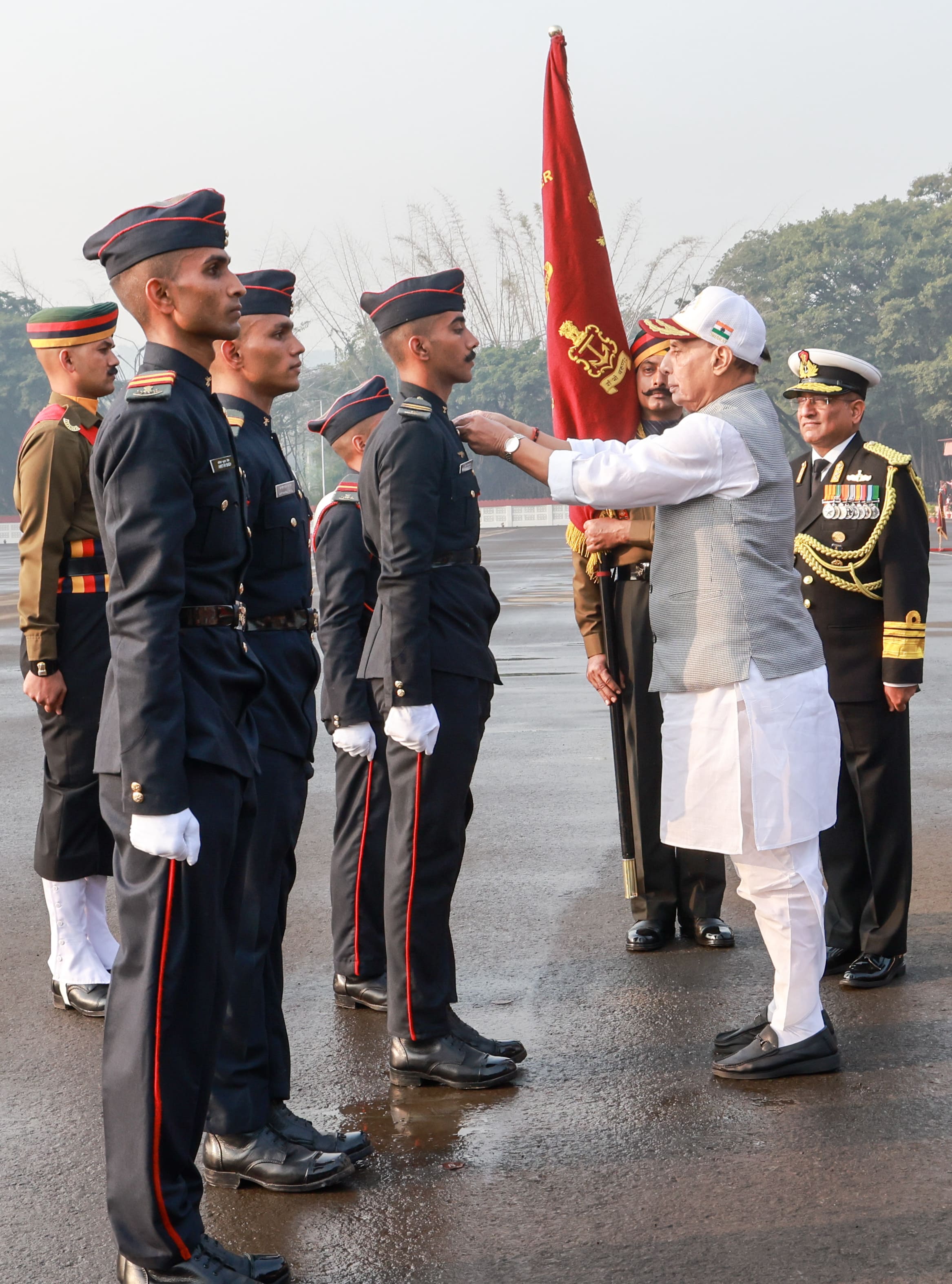
One of the most anticipated moments of the Passing Out Parade was the presentation of medals to cadets who demonstrated exceptional performance throughout their training.
The President's Gold, Silver and Bronze Medals recognise the first-, second- and third-ranked cadets in the overall order of merit.
The overall merit is determined through performance in several areas, including academics, outdoor training, joint service training, officer-like qualities and specialised service subjects.
The medal winners of the 151st Course were:
|
Award |
Medal Winner |
Squadron |
|
President's Gold Medal |
Battalion Cadet Captain Ankit Kumar Singh |
Bravo |
|
President's Silver Medal |
Academy Cadet Captain Sadhakra Sagar Patel |
Kilo |
|
President's Bronze Medal |
Academy Cadet Adjutant Rishi Balhara |
Fox |
These achievements reflect the consistency, dedication and determination required to excel at the National Defence Academy.
Apart from the overall medals, several cadets received awards for their performance in specialised service subjects, academics, sports and other training activities.
Outstanding Performers in Army Training
Battalion Cadet Captain Ankit Kumar Singh of Bravo Squadron received recognition for his performance in Army service subjects.
He was awarded the Uttar Pradesh Government Cup for being the best cadet in specialist Army service subjects. He also received the Ashoka Pillar Cup for excellence in weapon training and recognition for his performance in tactics.
The Order of Eklavya for excellence in firing was awarded to Divisional Cadet Captain Samar Raat of Charlie Squadron.
These awards recognise the importance of technical knowledge, weapon handling, tactical understanding and practical military skills in an officer's professional development.
Outstanding Performers in Naval Training
Cadet Quartermaster Sergeant Atul Krishna P. S. of Mike Squadron secured recognition in specialised Naval training.
He received the Government of Madras Cup for standing first in specialised Naval service subjects. He also won the Chief of Naval Staff Trophy for standing first in astronomy and the Seamanship Trophy.
These achievements highlight the importance of technical understanding and professional competence in preparing future naval officers.
Outstanding Performers in Air Force Training
The Air Force cadets also demonstrated strong performance across ground subjects, flying and overall merit.
Master Sergeant Jadan Singh Natwal of Kilo Squadron received the Government of Hyderabad Cup for standing first in ground subjects.
Cadet Shiraak Sharma of Mike Squadron was recognised as the best Air Force cadet in flying.
Master Sergeant Jadan Singh Natwal also received the Flight Lieutenant P. V. Upadhyay Trophy for standing first in the overall order of merit in Air Force service subjects.
These achievements reflect the varied training requirements of future Air Force officers.
Charlie Squadron Wins the Prestigious Chiefs of Staff Banner
Another major highlight of the NDA 151st Course Passing Out Parade was the announcement of the champion squadron.
Charlie Squadron won the prestigious Chiefs of Staff Banner, securing the distinction of being the overall champion squadron.
The banner is awarded to the squadron that earns the highest aggregate points across different inter-squadron competitions conducted during the term.
These competitions test cadets in multiple areas, including physical fitness, academics, sports, military training and other activities.
Winning the Chiefs of Staff Banner is a significant achievement because it reflects the collective performance of an entire squadron rather than the success of an individual cadet.
The winning squadron also receives special ceremonial privileges. Its members get the opportunity to display the championship banner at their squadron building and wear a red-coloured lanyard on the right shoulder.
For the cadets of Charlie Squadron, this achievement was a moment of pride and a reflection of their teamwork, discipline and competitive spirit.
18 International Cadets From 12 Countries Pass Out Alongside Indian Cadets
The National Defence Academy has always played an important role in strengthening India's defence relationships with friendly foreign countries.
The 151st Course Passing Out Parade included 18 international cadets representing 12 different countries.
The countries mentioned during the parade included:
- Bhutan
- Maldives
- Tanzania
- Tajikistan
- Lesotho
- Kenya
- Cameroon
- Myanmar
- Malaysia
- Yemen
- Mongolia
- Bangladesh
The academy also highlighted that it was training 131 cadets from 21 foreign countries at the time of the parade.
For three years, these international cadets trained alongside their Indian counterparts, sharing the same routines, challenges, experiences and traditions.
This shared training environment helps develop professional relationships that can continue throughout their military careers.
The friendships formed at NDA go beyond national boundaries and service identities, creating a strong foundation for cooperation between armed forces.
A Glimpse Into the Training and Traditions of NDA
The Passing Out Parade also offered an opportunity to understand the traditions and values that make the National Defence Academy different from other military training institutions.
NDA follows a joint training system in which cadets of the Army, Navy and Air Force train together before moving towards their respective service-specific training.
The academy aims to develop individuals who can work effectively in a team, understand different military services and take responsibility in challenging situations.
Three Years of Joint Training
The three-year training programme at NDA focuses on academic development, physical fitness, military training and personality development.
Cadets participate in different outdoor activities, military exercises, sports and training camps.
The academy conducts camps during the second, fourth and sixth terms. These camps help cadets develop adaptability, teamwork, endurance and the ability to work in unfamiliar and demanding conditions.
The objective is not simply to prepare cadets for their next training institution. It is to develop the qualities required to become responsible military officers.
The Importance of Discipline and the NDA Honour Code
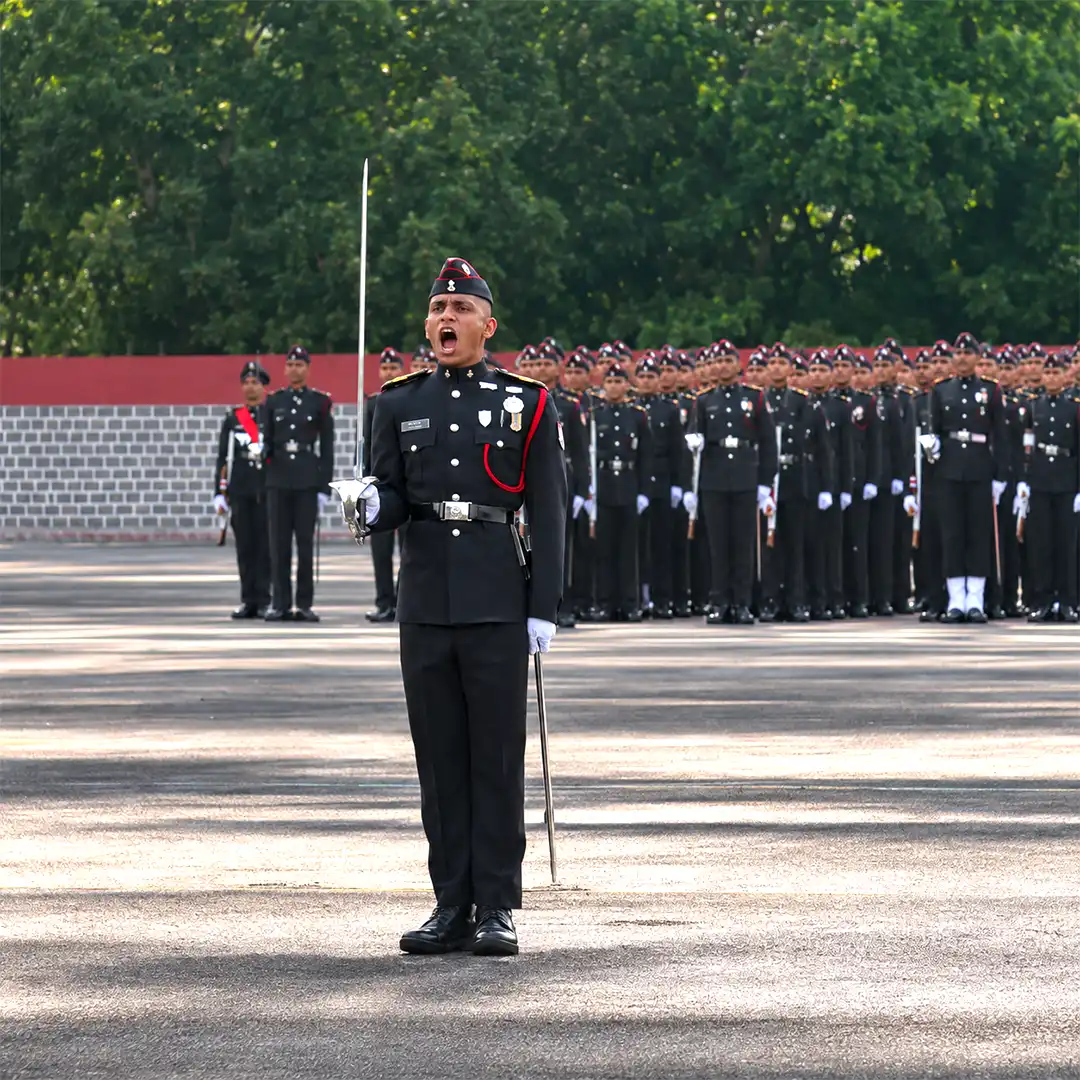
Discipline is one of the foundations of military life, and the NDA Passing Out Parade reflects this value through its precise movements and ceremonial traditions.
The academy's Honour Code was promulgated in March 1998 by Admiral Arun Prakash.
The code provides cadets with a framework for maintaining integrity, responsibility and ethical conduct.
Cadets also recite the NDA Prayer at the beginning of their day, reminding themselves of their commitment to the nation and the responsibilities associated with wearing the uniform.
These values remain important long after cadets leave the academy.
The Historical Significance of the National Defence Academy
The National Defence Academy has a history closely connected with India's vision of developing a joint-services training system.
After the Second World War, the need for an institution where future officers of the three armed services could train together became increasingly important.
In 1945, the National War Academy Committee was established under the chairmanship of Field Marshal Sir Claude Auchinleck to develop the concept of a joint-services academy.
Before the permanent academy was established, the Joint Services Wing began functioning at Clement Town, Dehradun, on 1 January 1949.
Sardar Vallabhbhai Patel formally inaugurated the Joint Services Wing in June 1949. Its first course, comprising 190 cadets, passed out on 8 December 1950.
The academy later shifted to Khadakwasla, Pune, in December 1954 and was inaugurated at its present location on 16 January 1955.
Since then, NDA has developed into India's premier tri-services training institution.
An Institution That Has Produced Military Chiefs
One of the most remarkable aspects of NDA's legacy is its contribution to the senior leadership of the Indian Armed Forces.
In 1990, three alumni of the first course became chiefs of their respective services:
- General S. F. Rodrigues
- Admiral L. Ramdas
- Air Chief Marshal N. C. Suri
The tradition continued in 2020 when General Manoj Mukund Naravane, Admiral Karambir Singh and Air Chief Marshal R. K. S. Bhadauria, who belonged to the 56th Course, took charge as chiefs of their respective services.
In 2022, alumni of the 61st Course, including General Manoj Pande, Admiral R. Hari Kumar and Air Chief Marshal Vivek Ram Chaudhari, succeeded them.
The academy has also produced India's first three Chiefs of Defence Staff: General Bipin Rawat, General Anil Chauhan and General Anil Kumar Chawla.
NDA Alumni: A Legacy of Courage and Achievement
The contribution of NDA alumni extends beyond their military appointments. Many graduates have demonstrated exceptional courage during wartime operations and distinguished themselves in different fields.
The academy's alumni have received several prestigious gallantry awards, including:
- 3 Param Vir Chakras
- 32 Maha Vir Chakras
- 174 Vir Chakras
- 13 Ashoka Chakras
- 53 Kirti Chakras
- 175 Shaurya Chakras
Several alumni have also achieved recognition in space exploration, mountaineering, sailing and sports.
Some notable examples mentioned during the parade include:
Wing Commander Rakesh Sharma: The first Indian to travel to space.
Commander Dilip Donde: The first Indian to complete a solo circumnavigation of the globe under sail.
Wing Commander Yashwant Anil Narayan: Recognised for swimming across the English Channel twice and setting records.
These achievements demonstrate that the training and values developed at NDA can prepare individuals for challenges well beyond the conventional military environment.
What Makes the NDA Passing Out Parade Special?
For an NDA cadet, the Passing Out Parade is not just another military ceremony. It is the culmination of three years of hard work, friendships, challenges and personal transformation.
The parade ground itself carries a significant historical connection. It is named Khetarpal Parade Ground in memory of Second Lieutenant Arun Khetarpal, a 38th Course NDA alumnus who was posthumously awarded the Param Vir Chakra for his bravery during the 1971 Battle of Basantar.
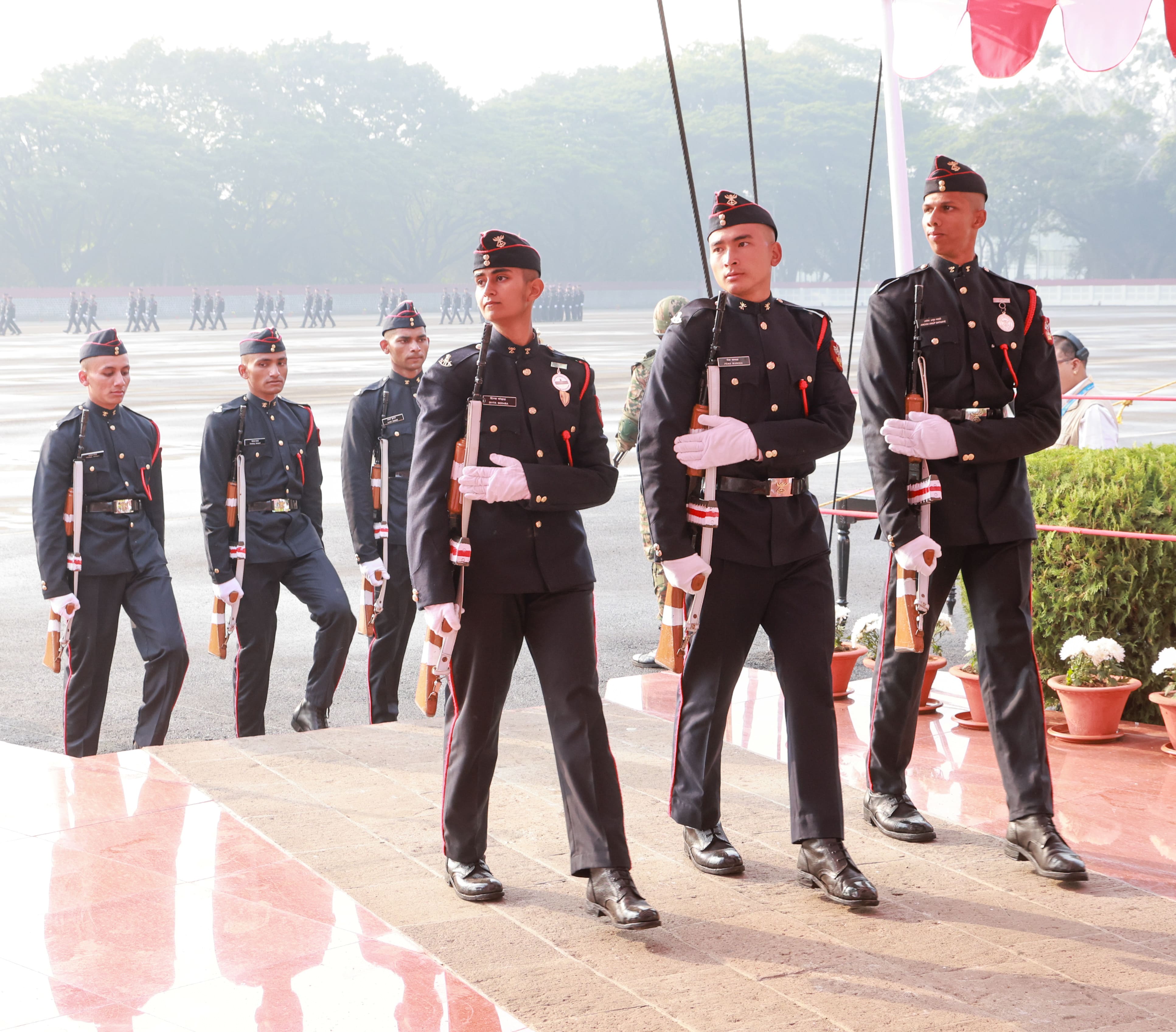
The academy's ceremonial traditions also include the Quarterdeck, the President's Colours, military bands and the final march of the passing-out cadets.
One of the most emotional moments comes when the cadets cross the Quarterdeck.
This marks their formal departure from the academy, where they have spent three formative years of their lives.
They leave behind their familiar surroundings, instructors and junior cadets, but carry forward the friendships and values developed during their training.
The ceremony is a combination of pride, achievement and nostalgia for both cadets and their families.
What Happens After Passing Out From NDA?
Passing out from NDA is an important milestone, but it is not the final stage of military training.
After completing their three-year programme, cadets proceed to their respective service training institutions for further professional preparation.
The Army cadets move to the Indian Military Academy (IMA), Dehradun.
The Naval cadets proceed to the Indian Naval Academy (INA), Ezhimala.
The Air Force cadets continue their training at the Air Force Academy (AFA), Dundigal.
At these institutions, cadets undergo further training according to the requirements of their respective services before receiving their commissions as officers.
Therefore, the NDA Passing Out Parade marks the beginning of the next phase of their journey towards becoming commissioned officers.
Conclusion
The NDA 151st Course Passing Out Parade 2026 celebrated the achievements of cadets who completed three years of demanding joint training at one of India's most respected military institutions.
From Ankit Kumar Singh's President's Gold Medal to Charlie Squadron's championship victory, the ceremony recognised individual excellence and collective achievement.
The participation of international cadets, impressive military displays and the academy's long-standing traditions added to the significance of the occasion.
As the 151st Course cadets crossed the Quarterdeck, they left behind an important chapter of their lives and moved towards the next stage of their military careers.
Their journey is a reminder that becoming an officer is not just about wearing a uniform. It is about accepting responsibility, developing character and putting the nation before oneself.
Service Before Self is not just a motto at NDA. It is a value that every cadet is expected to carry throughout life.