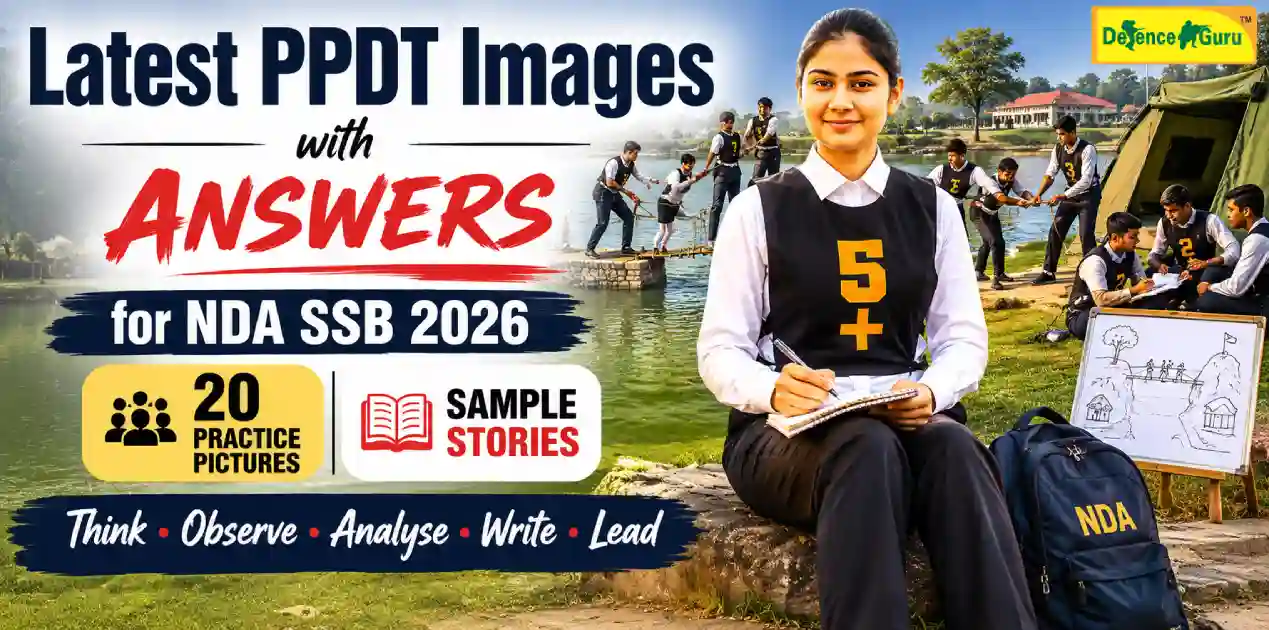
The Picture Perception and Discussion Test (PPDT) is the first major hurdle in the NDA SSB screening process. Every year, thousands of candidates appear for the SSB interview, but only a limited number move beyond the screening stage. One of the most effective ways to improve your performance in PPDT is by practicing different types of images and learning how to create logical, positive, and realistic stories.
Many candidates focus only on story writing, whereas PPDT actually tests much more than that. It evaluates your observation skills, imagination, communication ability, confidence, leadership potential, and problem-solving approach. Assessors are interested in seeing how you interpret a situation and how the main character responds to it.
In this article, you will find 20 PPDT practice images along with sample answers. The stories are written in a practical and officer-like manner so that NDA aspirants can understand the right approach to PPDT preparation.
What is PPDT in NDA SSB?
PPDT stands for Picture Perception and Discussion Test. During screening, candidates are shown a blurred picture for 30 seconds. They are then asked to identify characters, note important details, and write a story based on the image.
After story writing:
- Every candidate narrates their story.
- A group discussion is conducted.
- Assessors evaluate communication, confidence, teamwork, and leadership.
The objective is not to write a dramatic story but to demonstrate a balanced and positive thought process.
How to Approach PPDT Stories
Before moving to the practice images, remember these simple principles:
- Choose a central character.
- Give the character a realistic age and occupation.
- Identify a practical problem.
- Show initiative and action.
- Conclude with a positive outcome.
- Keep the story logical and achievable.
PPDT Image 1: School Cleanliness Drive
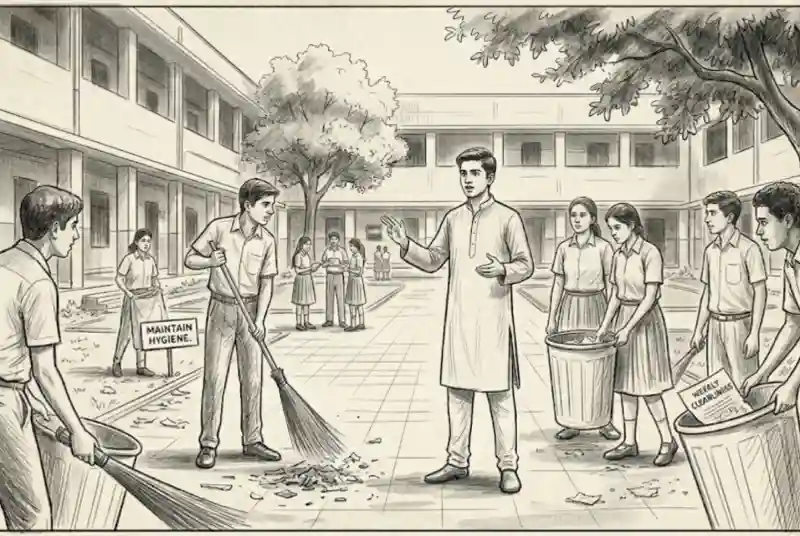
Story: Rohan, a 19-year-old student, observed that litter had accumulated around his school premises after a cultural event. Understanding the importance of hygiene, he discussed the issue with teachers and proposed a cleanliness campaign. After receiving approval, he formed student teams and assigned different areas for cleaning. He also prepared awareness posters highlighting the importance of sanitation and waste management. The campaign was completed successfully within a day, and students pledged to maintain cleanliness regularly. Inspired by the initiative, the school administration introduced weekly cleanliness activities. As a result, the campus environment improved significantly and students became more conscious about maintaining hygiene.
PPDT Image 2: Helping an Accident Victim
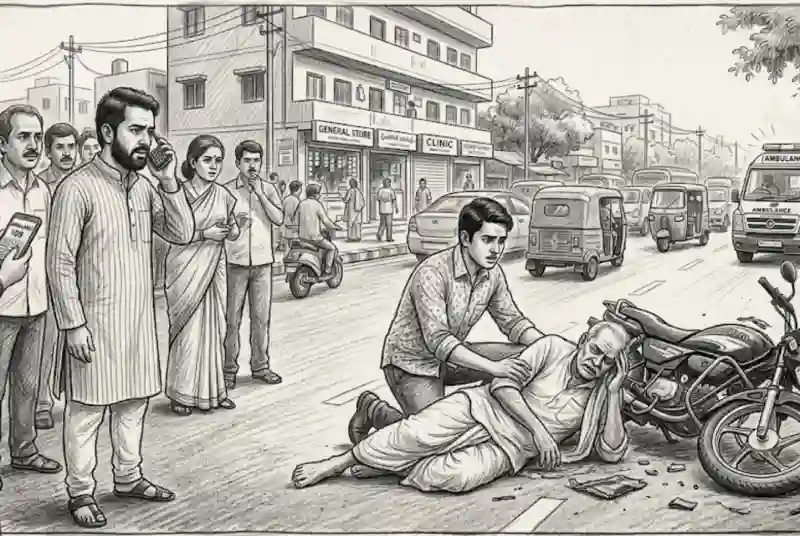
Story: Aman, a 21-year-old college student, was returning home when he witnessed a motorcycle accident on a busy road. He immediately ensured the safety of the injured person by moving him away from traffic with the help of nearby people. Aman contacted emergency medical services and informed the victim’s family using information found in his phone. Since he had basic first-aid training from an NCC camp, he provided preliminary assistance until the ambulance arrived. Due to his timely response and calm decision-making, the injured individual received prompt treatment. The doctors appreciated Aman’s efforts, and the victim recovered without major complications.
PPDT Image 3: Village Development Meeting
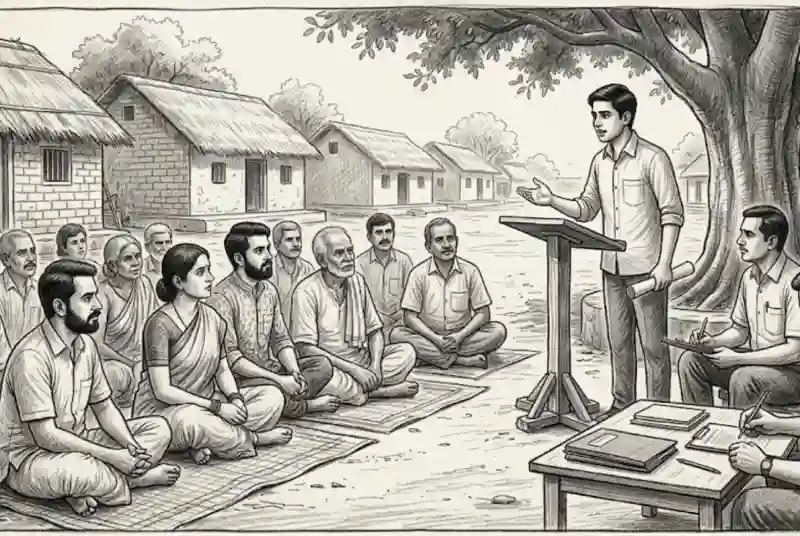
Story: Rahul, a 22-year-old graduate, noticed that villagers faced water shortages every summer. After gathering information about the problem, he organized a meeting involving villagers, local leaders, and government officials. During the discussion, he proposed rainwater harvesting and repair of unused water storage facilities. Rahul coordinated volunteers and supervised awareness activities regarding responsible water usage. The community worked together to implement the plan before the next summer season. Within a few months, groundwater levels improved and water availability increased considerably. The project benefited hundreds of residents and demonstrated how collective effort and proper planning can solve local problems effectively.
PPDT Image 4: Group Study Session
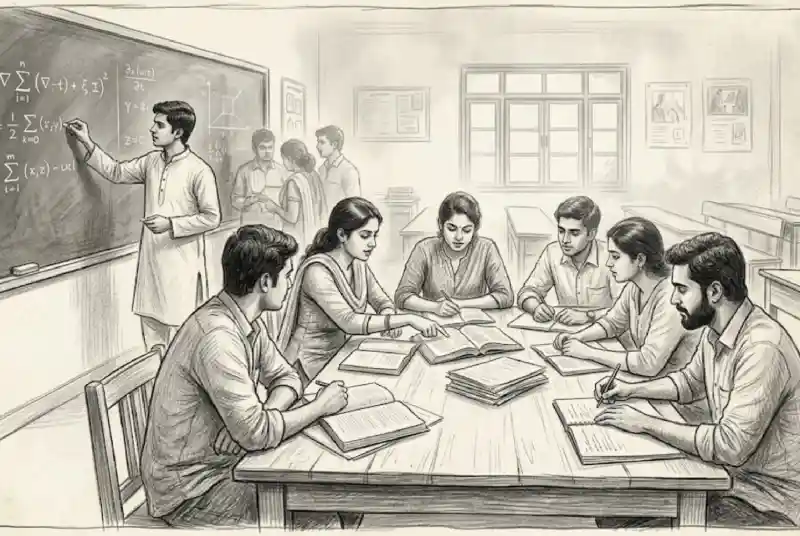
Story: Vikas, an 18-year-old student, noticed that several classmates were struggling with mathematics before the final examinations. Instead of focusing only on his own preparation, he decided to help them improve. He created a study group where students met daily after school to solve problems and discuss difficult concepts. Vikas prepared revision notes, conducted practice sessions, and encouraged everyone to participate actively. The collaborative learning environment improved understanding and reduced exam anxiety among students. As a result, most members of the group scored significantly better than expected. The initiative strengthened teamwork and boosted academic confidence throughout the class.
PPDT Image 5: Tree Plantation Drive
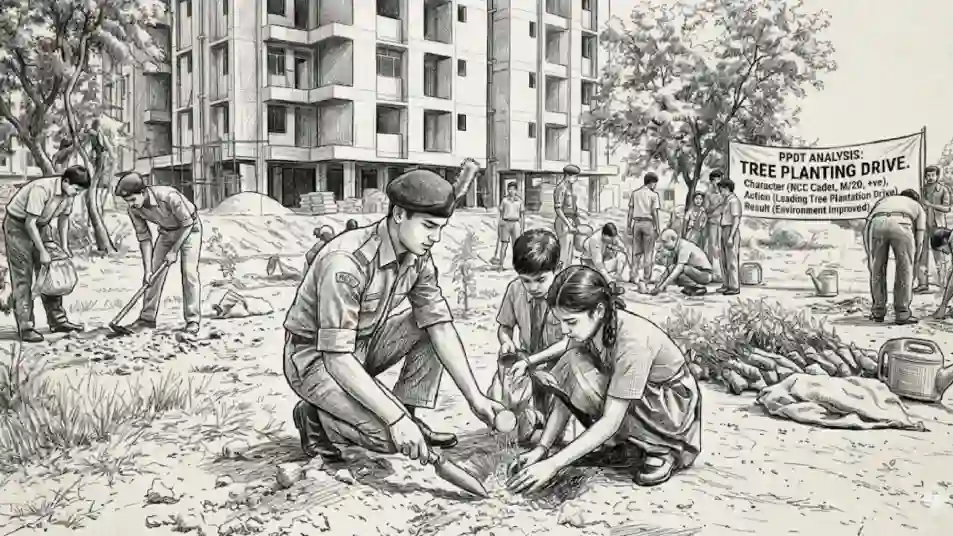
Story: Ankit, a 20-year-old NCC cadet, observed that green cover in his locality had decreased because of rapid construction activities. Concerned about environmental sustainability, he contacted local authorities and obtained permission to conduct a tree plantation campaign. He motivated students, arranged saplings from the forest department, and organized awareness sessions on environmental conservation. During the drive, volunteers planted hundreds of trees in parks, roadsides, and public spaces. Ankit also formed monitoring groups responsible for watering and maintaining the saplings. Within a year, many plants had grown successfully, improving the local environment. The campaign inspired residents to actively participate in future environmental initiatives.
PPDT Image 6: Sports Team Practice
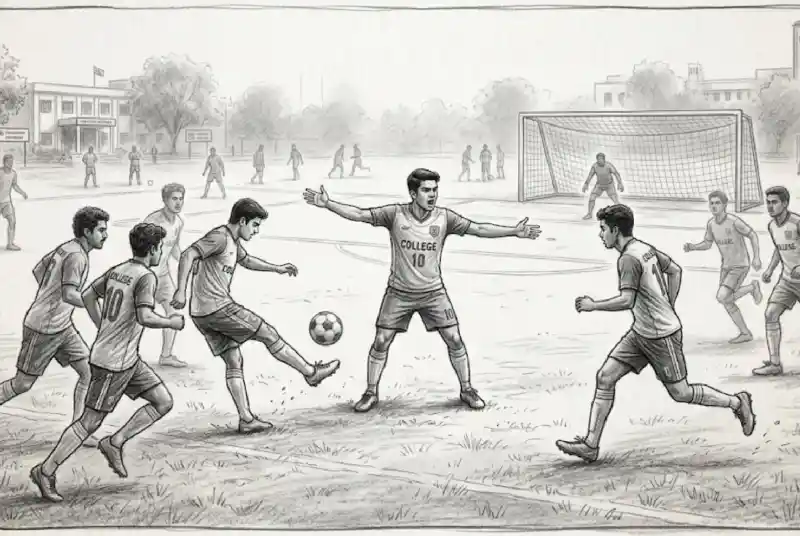
Story: Arjun, a 19-year-old football team captain, realized that his school team lacked coordination before an important district-level tournament. He organized additional practice sessions focusing on fitness, passing accuracy, communication, and teamwork. Arjun carefully analyzed previous matches and introduced strategies to strengthen weak areas. He motivated players to maintain discipline and follow a structured training schedule. Gradually, the team’s confidence and performance improved significantly. During the tournament, the players demonstrated excellent coordination and determination. They successfully reached the finals and earned appreciation from coaches and spectators. The experience taught the team the value of leadership, hard work, and collective effort.
PPDT Image 7: Flood Relief Work
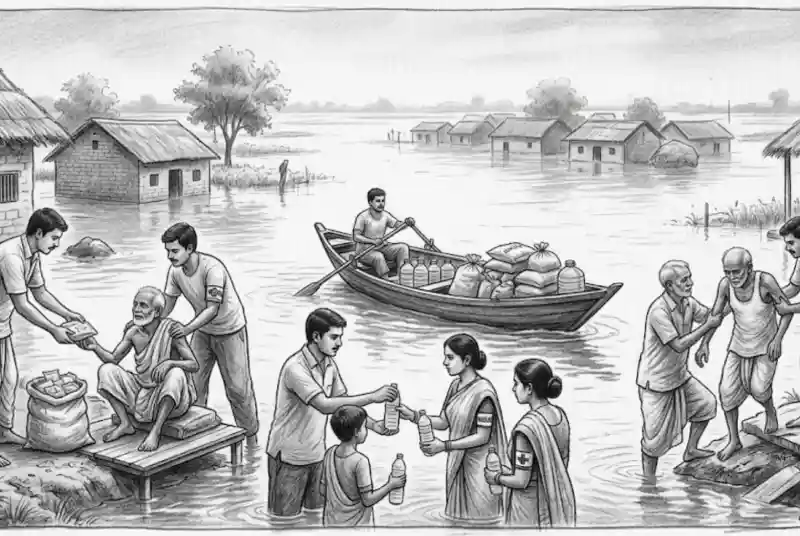
Story: Rohit, a 23-year-old volunteer, learned that several nearby villages had been affected by severe flooding after continuous rainfall. He joined local authorities and relief teams to support rescue operations. Rohit helped distribute food packets, drinking water, medicines, and blankets to affected families. He coordinated the transportation of essential supplies and assisted elderly residents in reaching temporary shelters safely. Understanding the importance of communication, he also helped connect stranded villagers with their relatives. Through organized teamwork and timely action, the relief efforts reached all affected households efficiently. The community appreciated the volunteers’ dedication and gradually recovered from the crisis.
PPDT Image 8: Blood Donation Camp
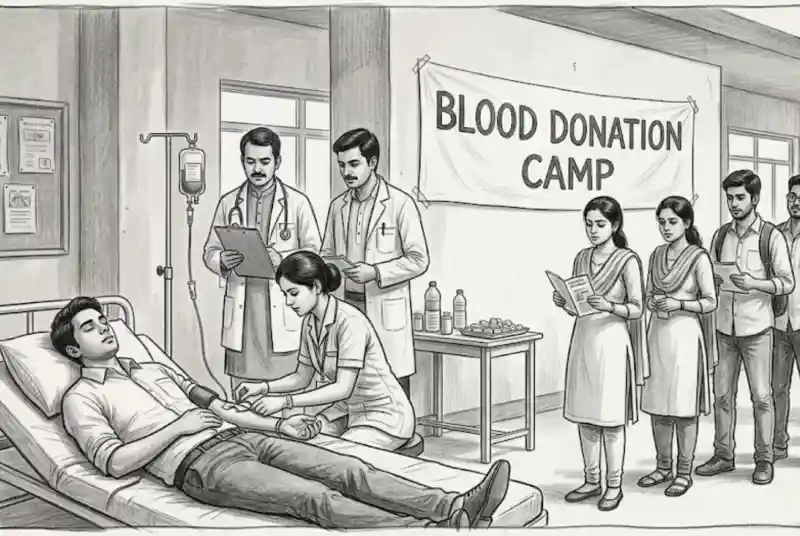
Story: Karan, a 21-year-old college student, discovered that local hospitals frequently experienced shortages of blood during emergencies. Determined to contribute, he collaborated with a nearby hospital to organize a blood donation camp at his college. He created awareness through presentations, social media campaigns, and interaction with students. Medical professionals conducted health screenings to ensure donor safety. The event received an enthusiastic response, and a large number of students volunteered to donate blood. The collected units significantly strengthened hospital reserves and helped several patients requiring urgent treatment. Karan’s initiative demonstrated social responsibility and highlighted the importance of community participation in healthcare support.
PPDT Image 9: Science Exhibition
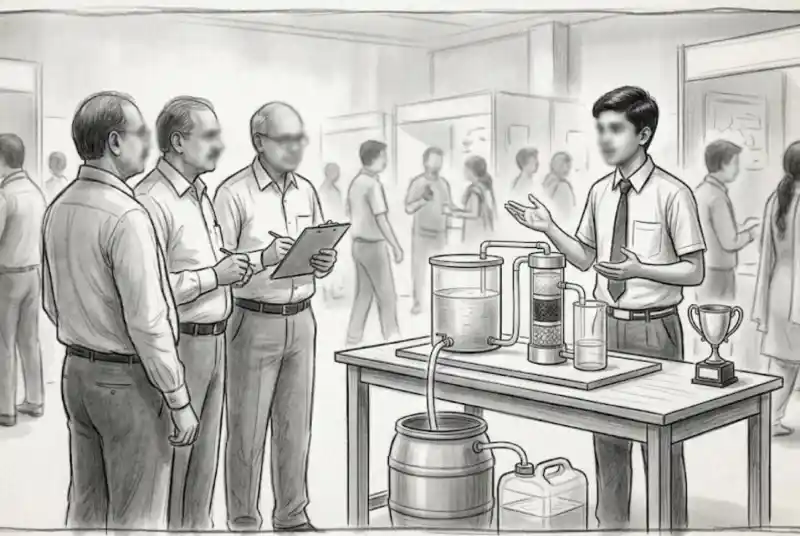
Story: Deepak, a 17-year-old school student interested in science, wanted to address the issue of unsafe drinking water in rural areas. After conducting research, he developed a low-cost water purification model using easily available materials. During the school science exhibition, he explained the working process and benefits of the model to visitors and judges. His project attracted attention because it offered an affordable solution for communities with limited resources. The judges appreciated both the innovation and practical application of the idea. Deepak’s project won recognition at the exhibition and encouraged other students to use scientific knowledge for solving real-life problems.
PPDT Image 10: Teaching Underprivileged Children
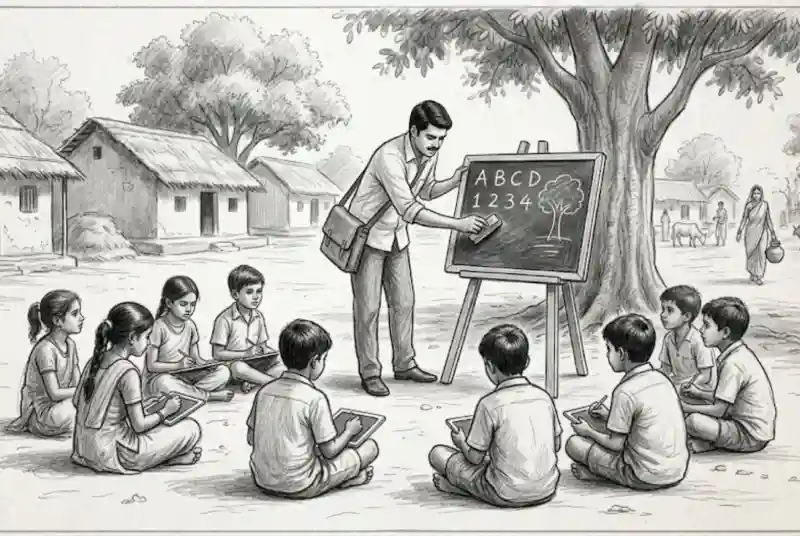
Story: Mohit, a 20-year-old college student, noticed that many children living in a nearby settlement lacked educational support after school hours. Wanting to make a difference, he started free evening classes with the help of his friends. They taught basic subjects, provided study materials, and organized interactive learning activities. Mohit regularly assessed the children’s progress and encouraged parents to support their education. Over several months, attendance increased steadily, and students showed significant improvement in academic performance and confidence. The initiative created a positive learning environment and motivated more volunteers to contribute toward improving educational opportunities for underprivileged children.
PPDT Image 11: Railway Passenger Assistance
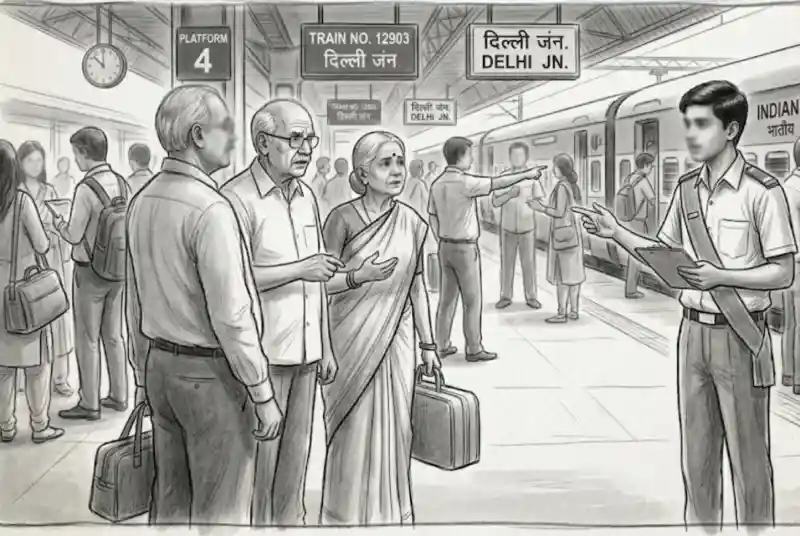
Story: Sameer, a 22-year-old volunteer, was helping at a railway station during the festive season when passenger traffic increased significantly. He observed that many elderly travelers and first-time visitors were confused about platform numbers and train schedules. Sameer joined the passenger assistance desk and guided travelers to the correct platforms. He coordinated with railway staff to ensure timely announcements and helped families carrying heavy luggage. His efforts reduced confusion and improved passenger convenience during peak hours. Several travelers expressed gratitude for his support. The experience enhanced Sameer’s communication skills and demonstrated the importance of service-oriented leadership in public spaces.
PPDT Image 12: Health Awareness Camp
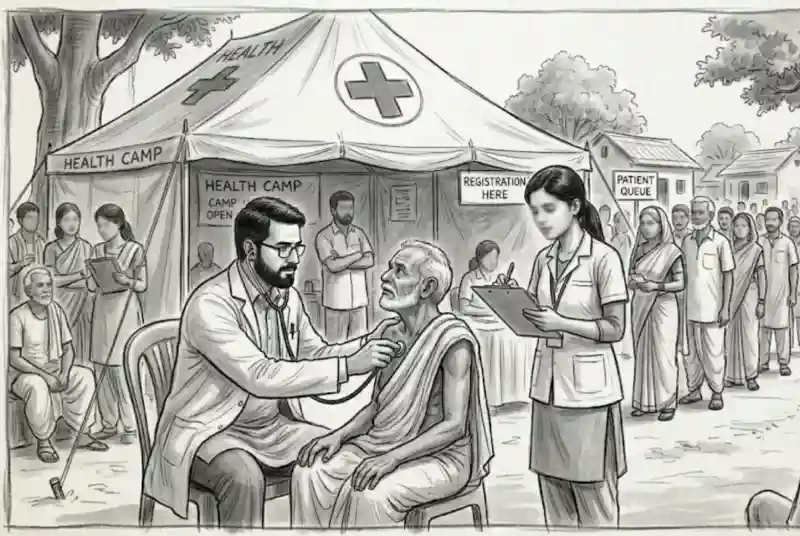
Story: Abhishek, a 21-year-old social work volunteer, observed that many villagers lacked awareness regarding preventive healthcare and hygiene practices. He approached a local hospital and arranged a health awareness camp in the village. Doctors conducted free health checkups while volunteers educated residents about nutrition, sanitation, vaccination, and disease prevention. Abhishek managed registrations, coordinated logistics, and ensured smooth execution of the event. The camp attracted large participation and helped identify several individuals requiring medical attention. Villagers gained valuable knowledge about maintaining good health and preventing common illnesses. The initiative contributed to improved healthcare awareness within the community.
PPDT Image 13: NCC Training Camp
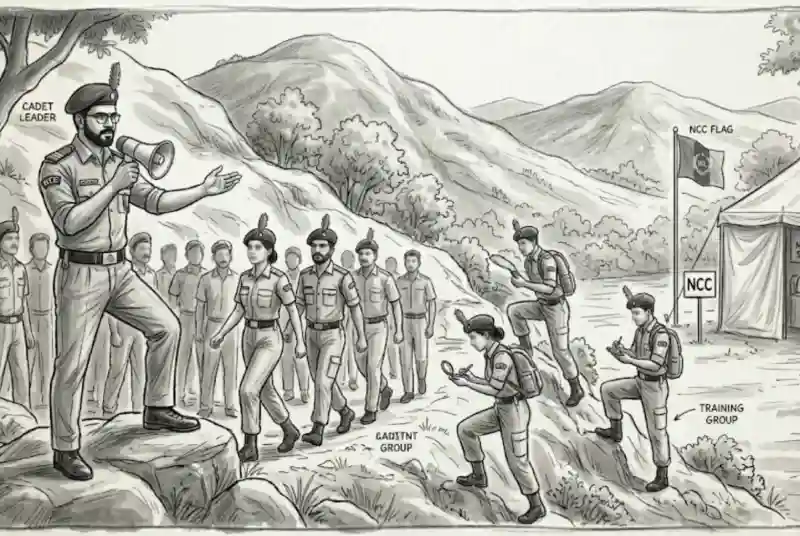
Story: Vikram, a 19-year-old NCC cadet, attended a leadership training camp where he was assigned responsibility for a group of cadets. He ensured that team members followed schedules, maintained discipline, and completed assigned tasks efficiently. During an outdoor exercise, some cadets struggled with navigation and coordination. Vikram guided them patiently, distributed responsibilities according to individual strengths, and encouraged teamwork. His leadership helped the group complete all activities successfully within the allotted time. The instructors appreciated his ability to motivate others and maintain discipline under challenging conditions. The experience strengthened his confidence and developed valuable leadership skills.
PPDT Image 14: Organising a Sports Tournament
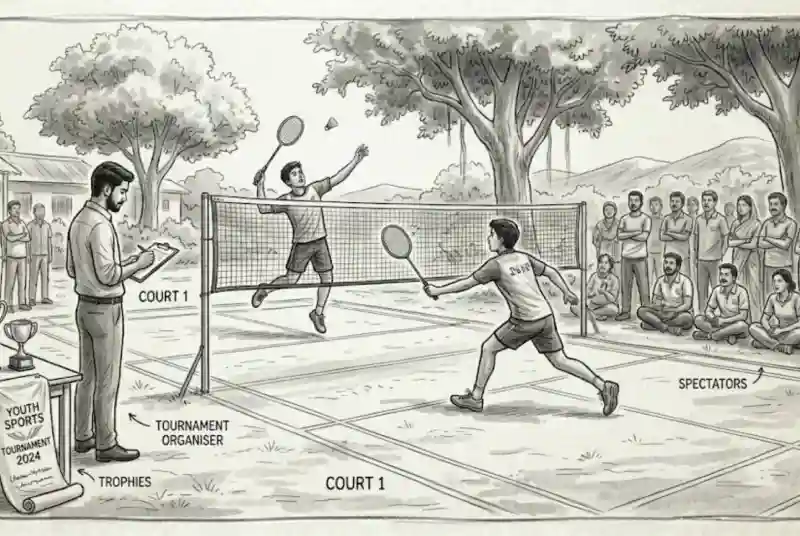
Story: Nitin, a 22-year-old graduate, wanted to encourage young people in his town to participate in sports rather than spending excessive time on mobile devices. He planned a community-level sports tournament involving schools and local clubs. Nitin arranged sponsorships, secured sports equipment, coordinated schedules, and formed organizing committees. The event featured multiple competitions and attracted enthusiastic participation from youth across the area. Fair conduct, proper planning, and teamwork ensured the smooth completion of the tournament. Participants enjoyed the experience and developed a greater interest in physical fitness. The tournament strengthened community engagement and promoted a healthy lifestyle among young people.
PPDT Image 15: Community Cleanliness Initiative
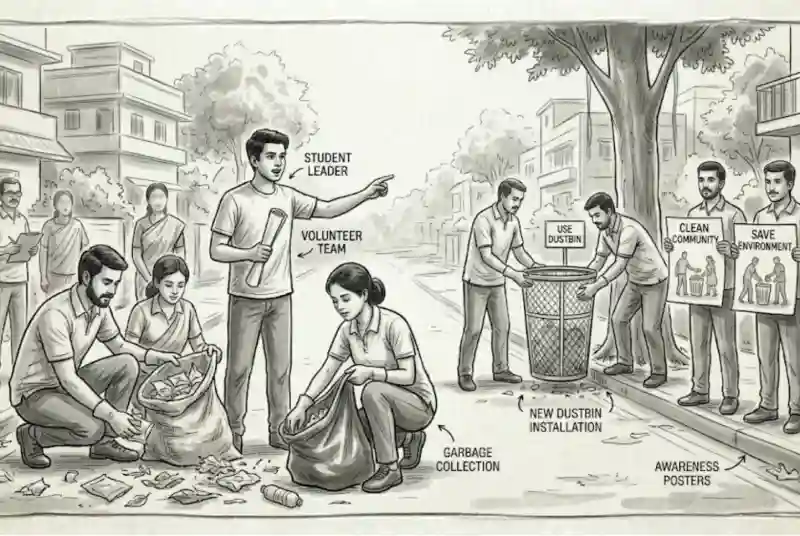
Story: Saurabh, a 21-year-old engineering student, noticed that garbage accumulation in public areas was creating hygiene issues in his neighborhood. He discussed the problem with residents and municipal officials before launching a community cleanliness initiative. Volunteers collected waste, installed dustbins, and conducted awareness campaigns regarding proper waste disposal. Saurabh also coordinated regular monitoring activities to maintain cleanliness standards. Gradually, the neighborhood became cleaner and residents developed responsible habits regarding waste management. The local administration appreciated the community’s efforts and improved sanitation services in the area. The initiative demonstrated how collective responsibility can bring positive change to society.
PPDT Image 16: Water Conservation Campaign
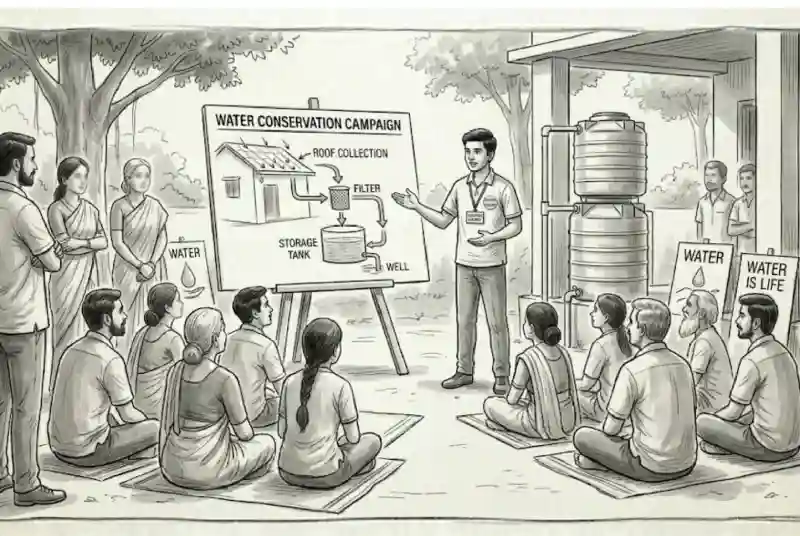
Story: Akash, a 20-year-old environmental science student, became concerned after learning that groundwater levels in his town were declining rapidly. To address the issue, he organized a water conservation awareness campaign involving schools, local authorities, and community groups. Through workshops and demonstrations, he educated residents about rainwater harvesting, leak prevention, and responsible water consumption. Volunteers surveyed public buildings and recommended practical conservation measures. The campaign generated widespread awareness, and several households adopted water-saving techniques. Over time, water wastage reduced noticeably within the community. Akash’s initiative highlighted the importance of sustainable resource management and proactive civic participation.
PPDT Image 17: Road Safety Awareness Drive
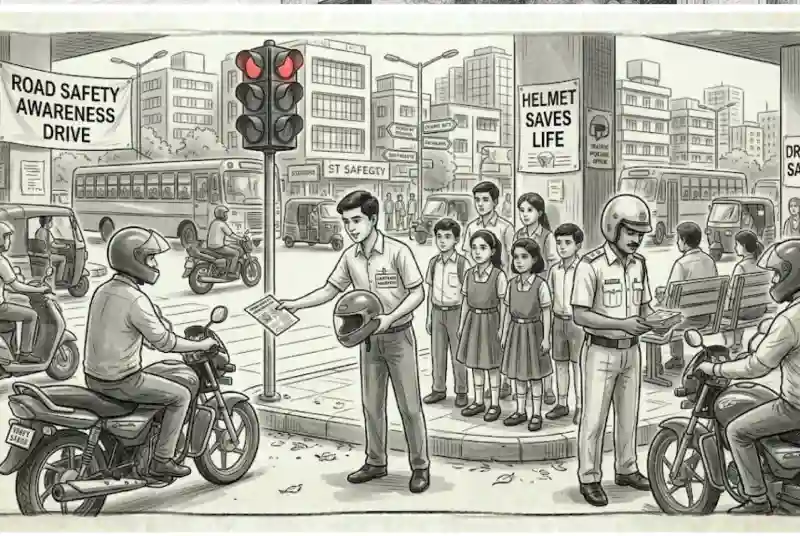
Story: Vivek, a 22-year-old college student, noticed frequent traffic rule violations near a busy intersection close to his campus. Concerned about public safety, he collaborated with traffic police to organize a road safety awareness drive. Volunteers distributed informational pamphlets, demonstrated proper helmet usage, and educated commuters about traffic regulations. Vivek also arranged interactive sessions for school students to promote safe road behavior from an early age. The campaign received positive public response and encouraged many motorists to follow safety guidelines more responsibly. The initiative contributed to improved awareness and reinforced the importance of disciplined behavior on roads.
PPDT Image 18: School Library Development
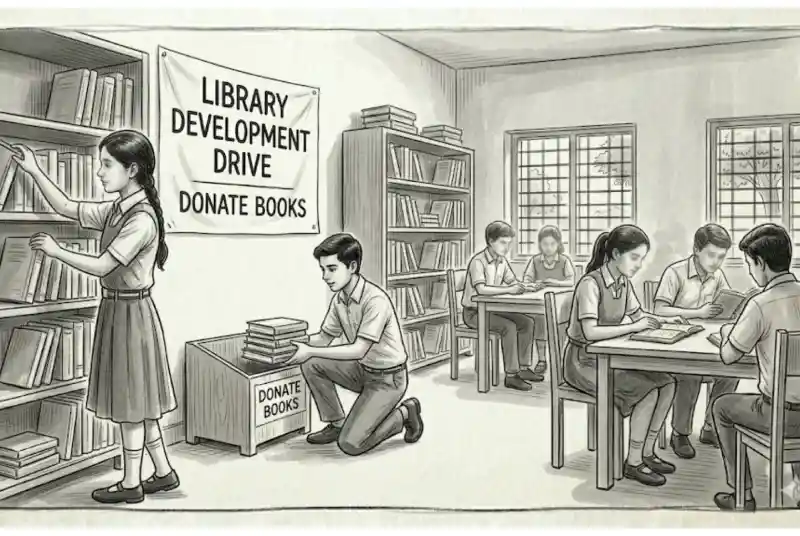
Story: Raj, a 17-year-old student, realized that his school library lacked proper organization and did not attract many readers. He proposed a library improvement project to teachers and received permission to lead the initiative. Raj organized a book donation campaign, categorized books systematically, and introduced reading competitions to encourage participation. Volunteers helped maintain records and create a welcoming reading environment. Student visits increased significantly after the improvements were completed. Many students developed a stronger interest in reading and research activities. Raj’s efforts transformed the library into a valuable learning resource and promoted a culture of knowledge sharing.
PPDT Image 19: Career Guidance Seminar
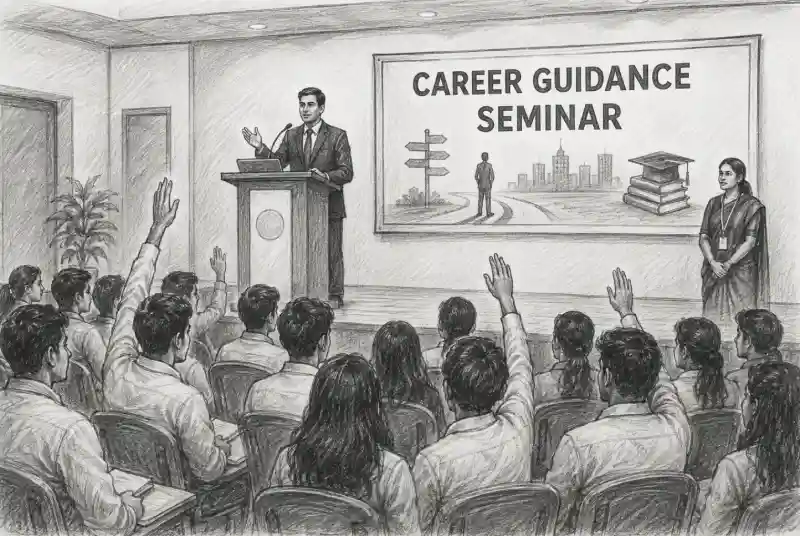
Story: Rohit, a 21-year-old final-year student, observed that many juniors were uncertain about career opportunities after graduation. To address this issue, he organized a career guidance seminar in collaboration with professionals from various fields. Experts explained educational pathways, competitive examinations, employment opportunities, and skill development requirements. Rohit managed event planning, invitations, and student participation. The seminar provided valuable insights and allowed students to ask questions directly to industry professionals. Participants gained clarity regarding career choices and future planning. The event proved highly beneficial and motivated students to prepare systematically for their professional goals.
PPDT Image 20: Disaster Management Mock Drill
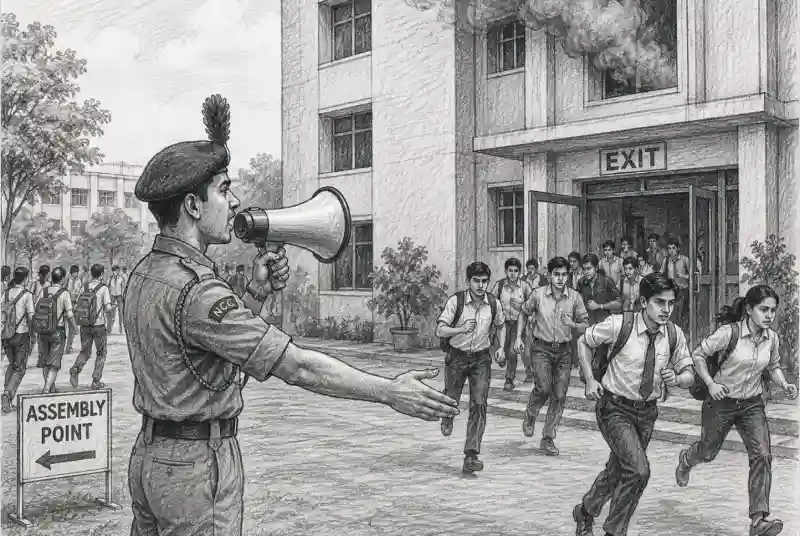
Story: Aman, a 20-year-old NCC cadet, participated in organizing a disaster management mock drill at his educational institution. The objective was to improve preparedness for emergencies such as earthquakes and fires. Aman coordinated evacuation routes, safety briefings, and communication between different response teams. During the drill, students practiced safe evacuation procedures while volunteers simulated rescue operations. Observers evaluated response time and identified areas for improvement. The exercise increased awareness regarding emergency preparedness and helped participants understand their roles during real emergencies. Aman’s contribution ensured smooth execution of the drill and strengthened the institution’s disaster response readiness.
Common Mistakes to Avoid in PPDT
Many candidates lose marks because they:
- Write unrealistic or movie-like stories.
- Focus excessively on negative situations.
- Introducing too many characters.
- Fail to provide a logical solution.
- Narrate stories without confidence.
- Interrupt aggressively during discussions.
- Ignore teamwork while presenting their ideas.
Remember that PPDT is a personality test, not a creative writing competition.
Final Thoughts
Success in PPDT depends on observation, clarity of thought, confidence, and practical problem-solving. The best stories are usually simple, realistic, and action-oriented. They demonstrate initiative, responsibility, teamwork, and leadership qualities expected from future officers in the Armed Forces.
Practice different types of images regularly and focus on developing a positive approach toward challenges. The 20 PPDT images and sample answers provided above cover common themes frequently seen in SSB screening, including education, social service, leadership, disaster management, sports, environmental awareness, and community development.
The more diverse situations you practice, the more comfortable and confident you will become during the actual NDA SSB screening process. With consistent preparation and the right mindset, clearing the PPDT stage becomes much easier and brings you one step closer to achieving your dream of joining the Armed Forces.
Frequently Asked Questions (FAQs)
1. What is PPDT in the NDA SSB Interview?
PPDT stands for Picture Perception and Discussion Test. It is conducted on the first day of the SSB interview as part of the screening process. Candidates are shown a blurred picture for 30 seconds and are then required to write a story based on their perception. Afterward, they narrate their story and participate in a group discussion.
2. How many characters should be included in a PPDT story?
There is no fixed number of characters. Generally, candidates should identify the characters visible in the image and focus on one central character who drives the story. Avoid introducing unnecessary characters that are not related to the situation shown in the picture.
3. What should be the ideal length of a PPDT story?
A PPDT story should be concise, logical, and complete. Usually, a story of 70–100 words is sufficient to describe the situation, actions taken by the main character, and the positive outcome.
4. Are negative stories acceptable in PPDT?
It is advisable to avoid overly negative stories. Even if the image depicts a difficult situation, the story should focus on constructive action, problem-solving, and a positive outcome. Assessors prefer candidates who demonstrate optimism and initiative.
5. Can I create an imaginary story in PPDT?
Yes, imagination is expected in PPDT. However, the story should remain realistic and practical. Avoid movie-style plots, unrealistic achievements, or exaggerated incidents that do not fit the picture.