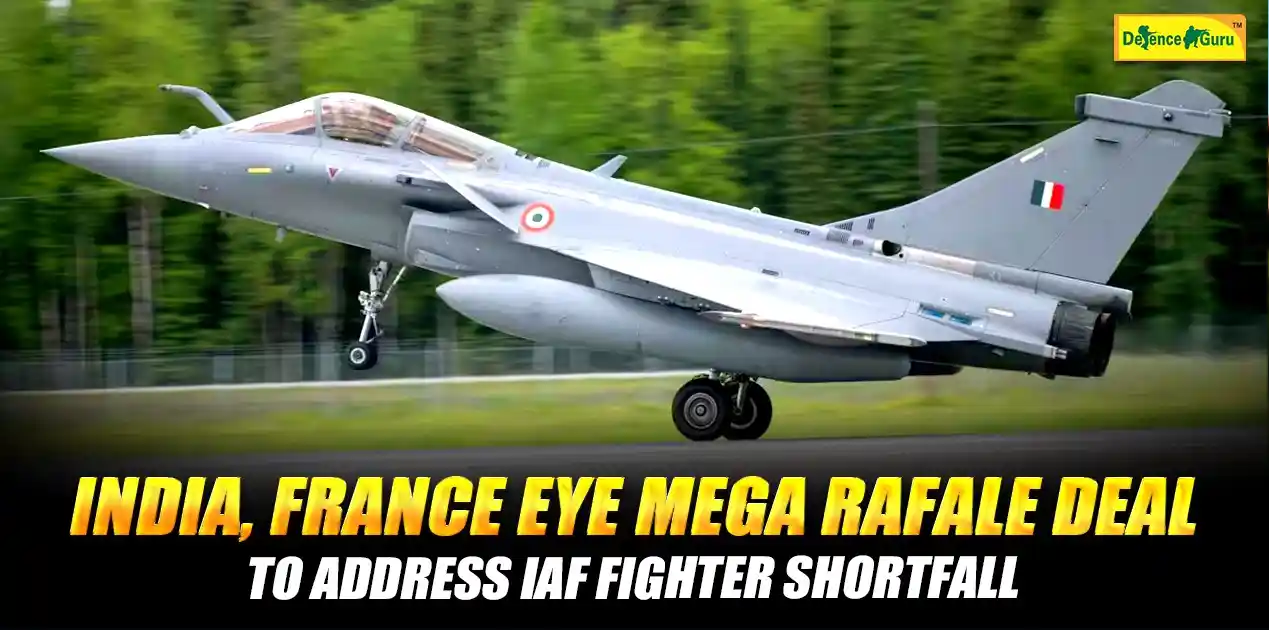
India–France Close In on Expanded Rafale Deal to Reinforce IAF Combat Power
India and France are edging toward a fresh government-to-government agreement that could significantly boost the Indian Air Force’s fighter strength, as momentum builds ahead of French President Emmanuel Macron’s expected visit to India. The focus: faster induction, deeper localisation, and stabilising squadron numbers that have been under pressure for years.
Officials tracking the talks say negotiations have accelerated, driven by the IAF’s urgent need to replace ageing platforms and plug capability gaps. With legacy aircraft phasing out faster than new ones arrive, the Air Force has been clear—modern multirole fighters are no longer a future requirement, they’re a now problem.
Why More Rafales Matter
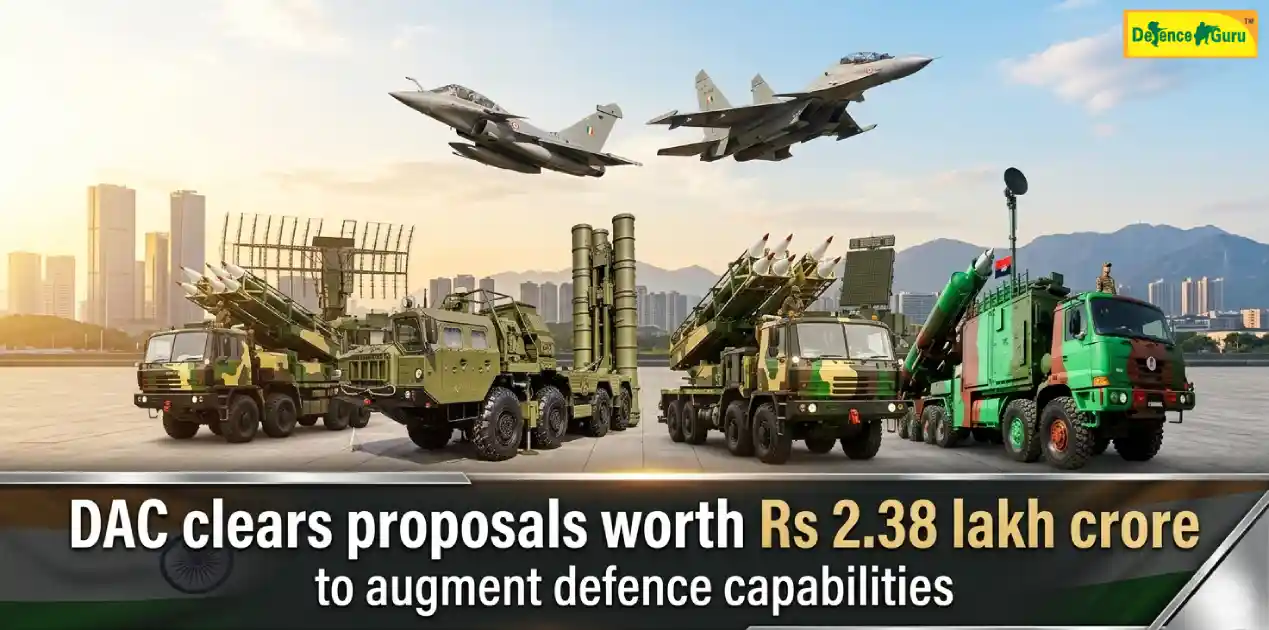
The IAF has assessed that it needs roughly 114 additional combat aircraft to steady its force levels and stay credible against a two-front threat. The 36 Rafales inducted under the 2016 deal have already proven their worth, offering a ready-made solution while indigenous programmes move through development timelines.
Rafale’s appeal lies in its all-round muscle—deep strike, electronic warfare, air dominance—and its smooth integration with Indian systems like the Astra beyond-visual-range missile. Adding more jets would deliver quick operational relief without waiting years for new designs to mature.
Local Production Takes Centre Stage
This time, manufacturing in India is a core pillar, not a side note. In mid-2025, Tata Advanced Systems and Dassault Aviation joined hands to produce key Rafale fuselage sections domestically. A new facility in Hyderabad is coming up, with production expected to begin by FY2028 and scale to about 24 fuselages a year—feeding both Indian requirements and Dassault’s global supply chain.
Alongside this, plans are in motion for an engine manufacturing unit in Hyderabad and a dedicated Maintenance, Repair and Overhaul hub at Jewar in Uttar Pradesh. Together, these initiatives could push localisation levels close to 60% of the aircraft’s overall value, syncing perfectly with India’s Atmanirbhar Bharat ambitions.
Cost, Clearances and the Road Ahead
Price negotiations are likely to reference the 2025 benchmark deal for 24 Rafale Marine aircraft for the Indian Navy, valued at around €7.4 billion. The new purchase will still need to pass through the Defence Acquisition Council, detailed commercial talks, and final approval from the Cabinet Committee on Security. Budget allocations in the upcoming fiscal cycle will be a decisive factor in how quickly things move.
Bigger Than Just Jets
Beyond filling immediate gaps, the Rafale expansion would further cement India–France defence cooperation, widen India’s fighter supply base, and ease dependence on ageing platforms. France’s reputation for sticking to delivery timelines has only strengthened confidence in the partnership.
If sealed, the deal would sit neatly alongside indigenous efforts like Tejas Mk-2 and the Advanced Medium Combat Aircraft (AMCA), helping the IAF inch back toward its long-term goal of 42 squadrons. For India’s aerospace industry, it could be a turning point-laying the groundwork for the country to emerge as a global manufacturing and sustainment hub for Rafale programmes.