Three New Indigenous Warships Join the Indian Navy, Strengthening Maritime Security and Aatmanirbhar Bharat
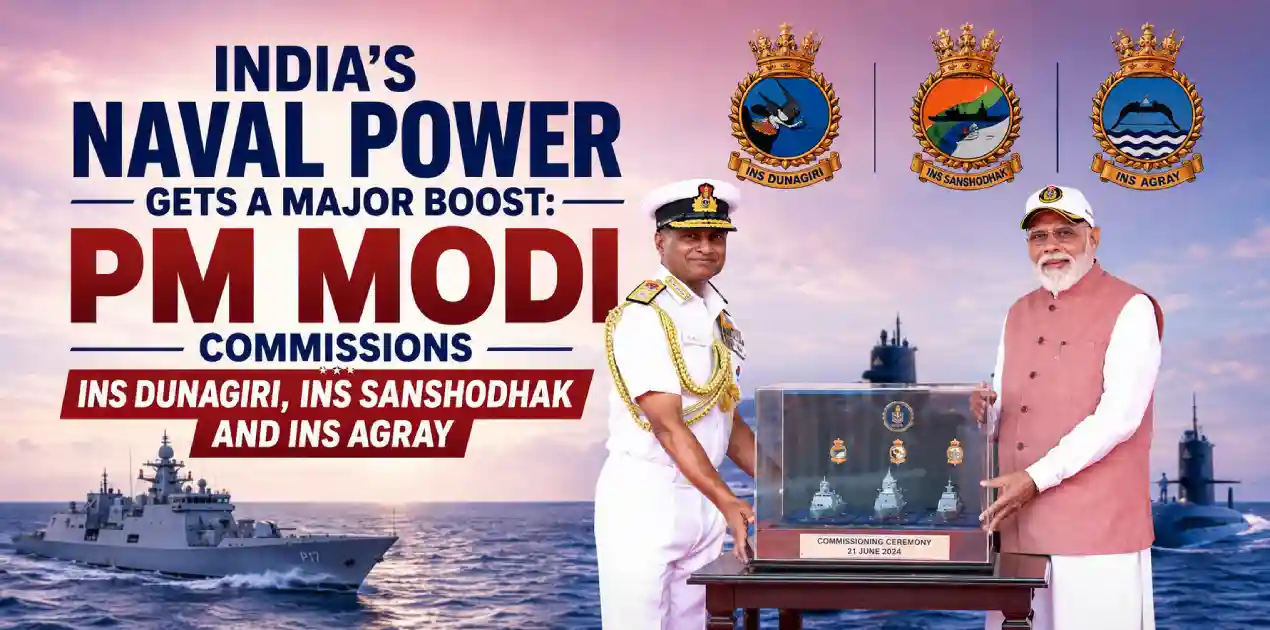
India took another big step toward becoming a stronger maritime nation on June 21, 2026, as Prime Minister Narendra Modi officially commissioned three state-of-the-art naval platforms, INS Dunagiri, INS Sanshodhak, and INS Agray, into the Indian Navy at Kolkata.
The commissioning ceremony was more than just the addition of three new vessels to the fleet. It was a powerful demonstration of India's growing defence manufacturing capabilities, technological expertise, and commitment to self-reliance under the vision of Aatmanirbhar Bharat.
A Historic Day for India's Maritime Future
Addressing the gathering, Prime Minister Modi emphasised that no nation can become a major global power without strong maritime capabilities. In today's world, where global trade, underwater communication networks, energy resources, and critical minerals are closely linked to the oceans, maritime strength has become a key pillar of national security and economic growth.
Interestingly, the event coincided with both International Yoga Day and World Hydrography Day, making the commissioning of INS Sanshodhak, a modern hydrographic survey vessel, even more significant.
The Prime Minister described the induction of these ships as another milestone in India's journey toward becoming a developed, secure, and self-reliant nation.
From INS Vikrant to a New Era of Self-Reliance
PM Modi recalled the commissioning of INS Vikrant and said that the journey from INS Vikrant to today's induction of INS Dunagiri, INS Sanshodhak, and INS Agray reflects much more than the addition of new ships.
"It is the story of India's growing self-reliance," he said.
All three vessels have been designed and built in India, showcasing the capabilities of Indian engineers, shipbuilders, scientists, and workers. With over 75% indigenous content and contributions from more than 200 MSMEs, these platforms are clear examples of India's rapidly expanding defence ecosystem.
Meet the Three New Guardians of India's Seas
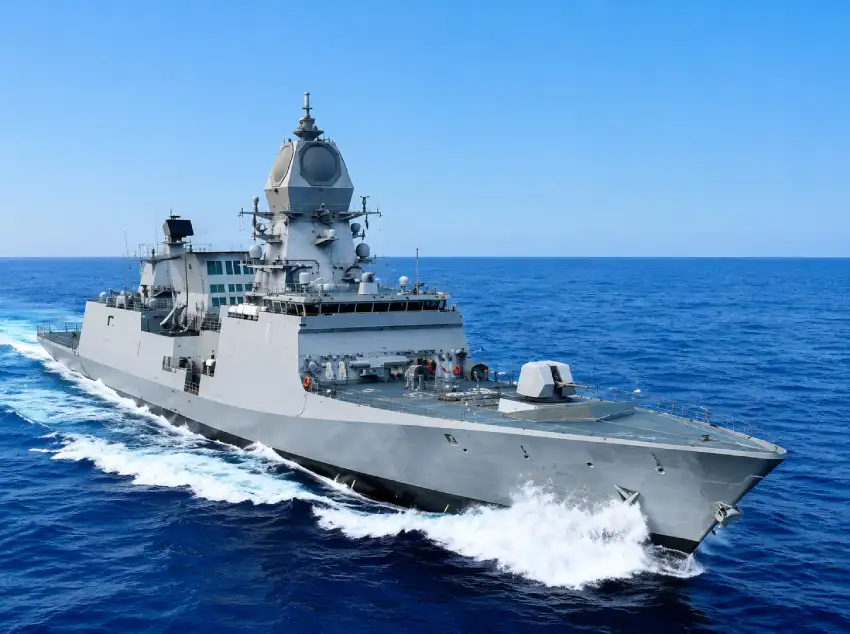
INS Dunagiri: The Advanced Stealth Frigate
The star attraction of the tri-commissioning ceremony was INS Dunagiri, the fifth frigate under the prestigious Project 17A program and the second built by Garden Reach Shipbuilders & Engineers (GRSE).
Equipped with:
- Supersonic surface-to-surface missiles
- Advanced air defence systems
- Modern anti-submarine warfare capabilities
- Integrated platform management systems
- Helicopter operating capability
INS Dunagiri is designed for high-end naval operations and will significantly enhance the Navy's combat readiness across multiple mission profiles.
INS Sanshodhak: Mapping the Future Beneath the Oceans
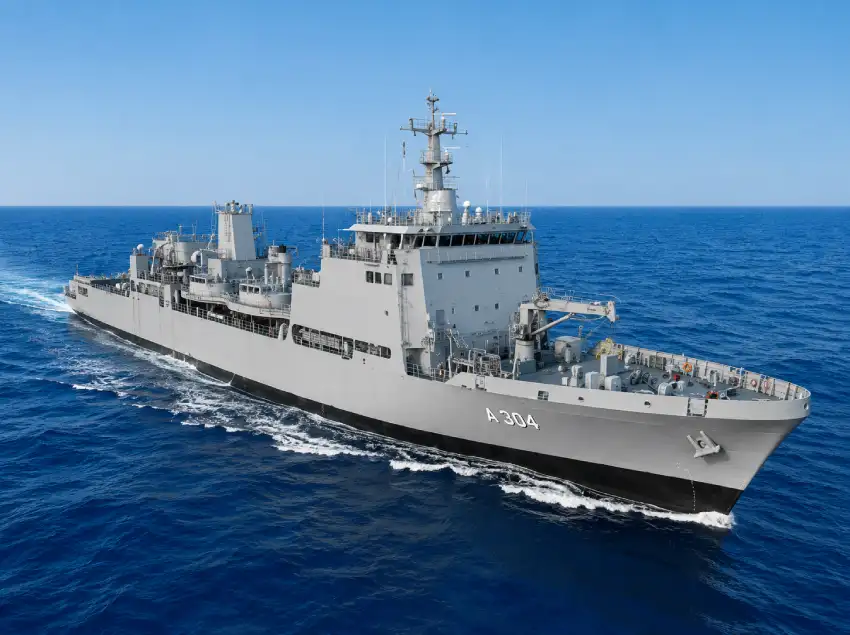
INS Sanshodhak is the fourth Survey Vessel (Large) class ship and represents a major boost to India's hydrographic and oceanographic capabilities.
The vessel is equipped with advanced survey systems capable of collecting highly accurate hydrographic data, supporting:
- Coastal development
- Maritime navigation
- Blue Economy initiatives
- Sustainable use of ocean resources
The ship can also function as a hospital ship during emergencies and conduct helicopter operations, making it highly versatile.
INS Agray: The Underwater Hunter
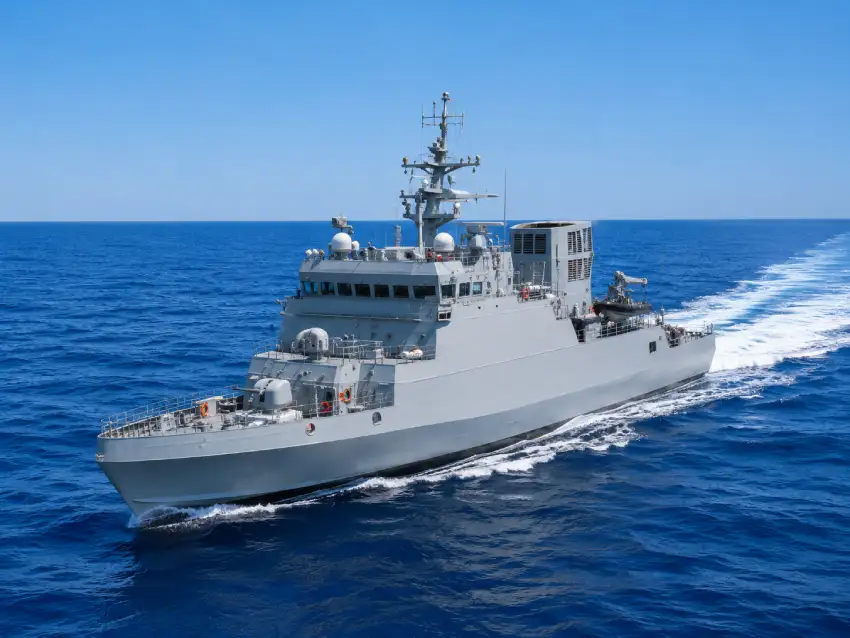
The third platform, INS Agray, is designed to tackle one of the most challenging threats in modern naval warfare: enemy submarines.
As the fifth Anti-Submarine Warfare Shallow Water Craft (ASW SWC), INS Agray features:
- Advanced sonar systems
- Torpedoes
- Anti-submarine rockets
- Modern combat management systems
Its waterjet propulsion allows quick manoeuvring in coastal and shallow waters, making it a formidable asset for underwater surveillance and engagement.
More Than Warships: A Boost for Jobs and Industry
One of the most important messages from the event was that shipbuilding is not just about defence.
According to PM Modi, every modern ship requires steel, electronics, machinery, and thousands of components, creating opportunities across multiple industries.
The three newly commissioned platforms involved contributions from more than 200 MSMEs, generating employment and boosting economic activity across the country.
The government has also announced a ₹70,000 crore incentive package for the shipping sector and continues to push initiatives like Sagarmala to strengthen India's maritime infrastructure.
India's Defence Manufacturing Story Continues to Grow
The Prime Minister highlighted how India has transformed from being one of the world's largest defence importers to becoming a major defence manufacturing hub.
According to him:
- Defence production has grown from around ₹40,000 crore in 2014 to nearly ₹1.8 lakh crore today.
- More than 40 indigenous warships and submarines have joined the Navy in recent years.
- Around 45 major naval platforms are currently under construction.
These numbers underline India's ambition to become not just a buyer but also a producer and exporter of advanced defence equipment.
Rajnath Singh Calls It a Defining Moment
Rajnath Singh described the tri-commissioning as a defining moment in India's maritime capability development.
He said the three platforms represent India's robust defence manufacturing ecosystem and unwavering commitment to Aatmanirbhar Bharat while strengthening security in the Indian Ocean Region.
Why This Matters
The induction of INS Dunagiri, INS Sanshodhak, and INS Agray is not just about increasing the Navy's fleet size.
These vessels will help India:
- Protect strategic maritime interests
- Monitor vast ocean regions more effectively
- Counter submarine threats
- Support humanitarian and disaster relief missions
- Conduct hydrographic surveys for friendly nations
- Strengthen security in the Indo-Pacific region
Together, they represent a new generation of indigenous naval capability and signal India's growing confidence as a maritime power.
Conclusion
The commissioning of INS Dunagiri, INS Sanshodhak, and INS Agray marks another important chapter in India's defence and maritime journey. Built largely with indigenous technology and expertise, these vessels showcase how far India's defence manufacturing sector has come.
As India looks to become a major global maritime power, these three frontline platforms are not just warships; they are symbols of self-reliance, technological progress, and the nation's determination to secure its future at sea.
Read more:
India Successfully Tests ‘Garudastra’ 120mm Mortar System, Boosting Army Firepower
NDA Cadets Stipend Salary: Do NDA Cadets Get Paid During Training?
YOU MAY ALSO LIKE